





Social network that connects people around the world.
-
79 Berichten
-
25 foto's
-
18 Video’s
-
C.E.O bij Afronector
-
Woont in Lansing, MI, USA
-
Vanaf Goma, Democratic Republic of the Congo
-
Studie DEG bij KyangwaliClass of 2010
-
Male
-
Married
-
13/11/1994
-
Gevolgd door 317 people
Zoeken
Vrienden
327












© 2026 IgiChat
 Dutch
Dutch
Dutch
 English
 Arabic
 French
 Spanish
 Portuguese
 Deutsch
 Turkish
 Italiano
 Russian
 Romaian
 Portuguese (Brazil)
 Greek
Greek
Actueel
-
🚨PRINCESS ELIZABETH BAGAYA
* Born in 1936 in Kabarole, she is the daughter of the late King of Tooro, Omukama George Rukidi III, and Queen Kezia.
* She was the first East African woman to graduate with a law degree from the University of Cambridge (1962) and the first to be called to the English Bar as a barrister (1965).
* Returning to Uganda, she became the first woman admitted to the Ugandan Bar in 1966.
* After traditional kingdoms were abolished by Milton Obote in 1966, she fled to London, where she became a globally renowned supermodel, signing with the Ford Agency and making history as the first Black model to appear on the cover of Harper’s Bazaar.
* She studied acting in New York and starred in major international films like Bullfrog in the Sun and Sheena: Queen of the Jungle.
* When Idi Amin took power, she returned and served as Uganda’s Foreign Minister in 1974.
* Her relationship with Amin soured over false accusations, leading to her house arrest and eventual escape from the country in 1975 to save her life.
* After fleeing political hostility a second time under Obote’s regime, she secretly married Prince Wilberforce Nyabongo (an aviation engineer) in London in 1981.
* Her husband died suddenly in a fatal plane crash in December 1986 at just 32 years old.
* Devastated by his death, she stepped away from her role as Uganda’s Ambassador to the United States in 1988 to dedicate her life to global charity work, never remarrying or having children.
* She later returned to national diplomacy, serving as Uganda’s Ambassador to Germany, the Vatican, and High Commissioner to Nigeria.
* When traditional kingdoms were restored and her brother King Patrick Kaboyo VII passed away in 1995, she became a principal regent and official guardian to her toddler nephew, King Oyo.
* Today, at 90 years old, she remains a highly respected pillar of the Tooro Kingdom.🚨PRINCESS ELIZABETH BAGAYA * Born in 1936 in Kabarole, she is the daughter of the late King of Tooro, Omukama George Rukidi III, and Queen Kezia. * She was the first East African woman to graduate with a law degree from the University of Cambridge (1962) and the first to be called to the English Bar as a barrister (1965). * Returning to Uganda, she became the first woman admitted to the Ugandan Bar in 1966. * After traditional kingdoms were abolished by Milton Obote in 1966, she fled to London, where she became a globally renowned supermodel, signing with the Ford Agency and making history as the first Black model to appear on the cover of Harper’s Bazaar. * She studied acting in New York and starred in major international films like Bullfrog in the Sun and Sheena: Queen of the Jungle. * When Idi Amin took power, she returned and served as Uganda’s Foreign Minister in 1974. * Her relationship with Amin soured over false accusations, leading to her house arrest and eventual escape from the country in 1975 to save her life. * After fleeing political hostility a second time under Obote’s regime, she secretly married Prince Wilberforce Nyabongo (an aviation engineer) in London in 1981. * Her husband died suddenly in a fatal plane crash in December 1986 at just 32 years old. * Devastated by his death, she stepped away from her role as Uganda’s Ambassador to the United States in 1988 to dedicate her life to global charity work, never remarrying or having children. * She later returned to national diplomacy, serving as Uganda’s Ambassador to Germany, the Vatican, and High Commissioner to Nigeria. * When traditional kingdoms were restored and her brother King Patrick Kaboyo VII passed away in 1995, she became a principal regent and official guardian to her toddler nephew, King Oyo. * Today, at 90 years old, she remains a highly respected pillar of the Tooro Kingdom.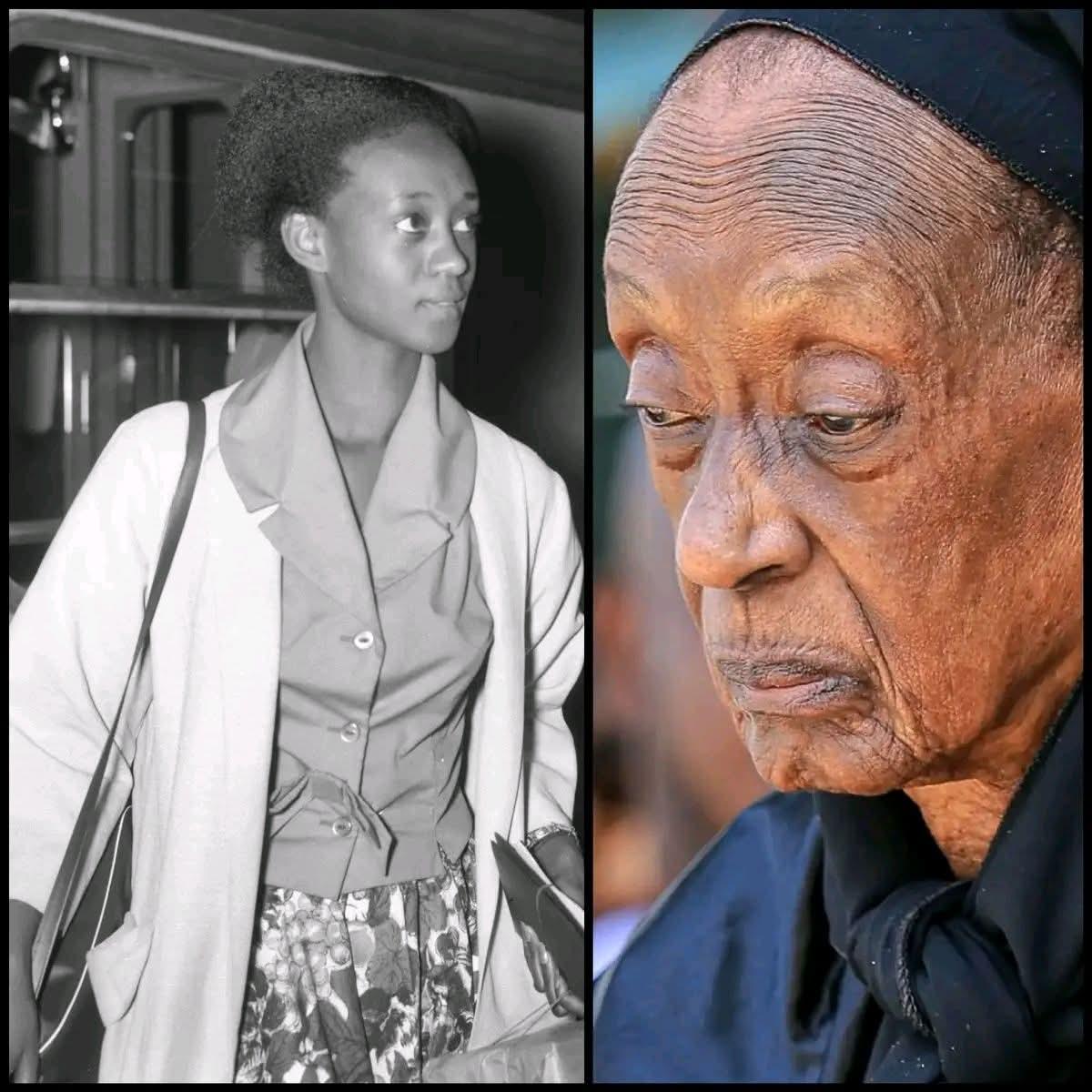 0 Reacties 0 aandelen 163 Views 0 voorbeeld
 -
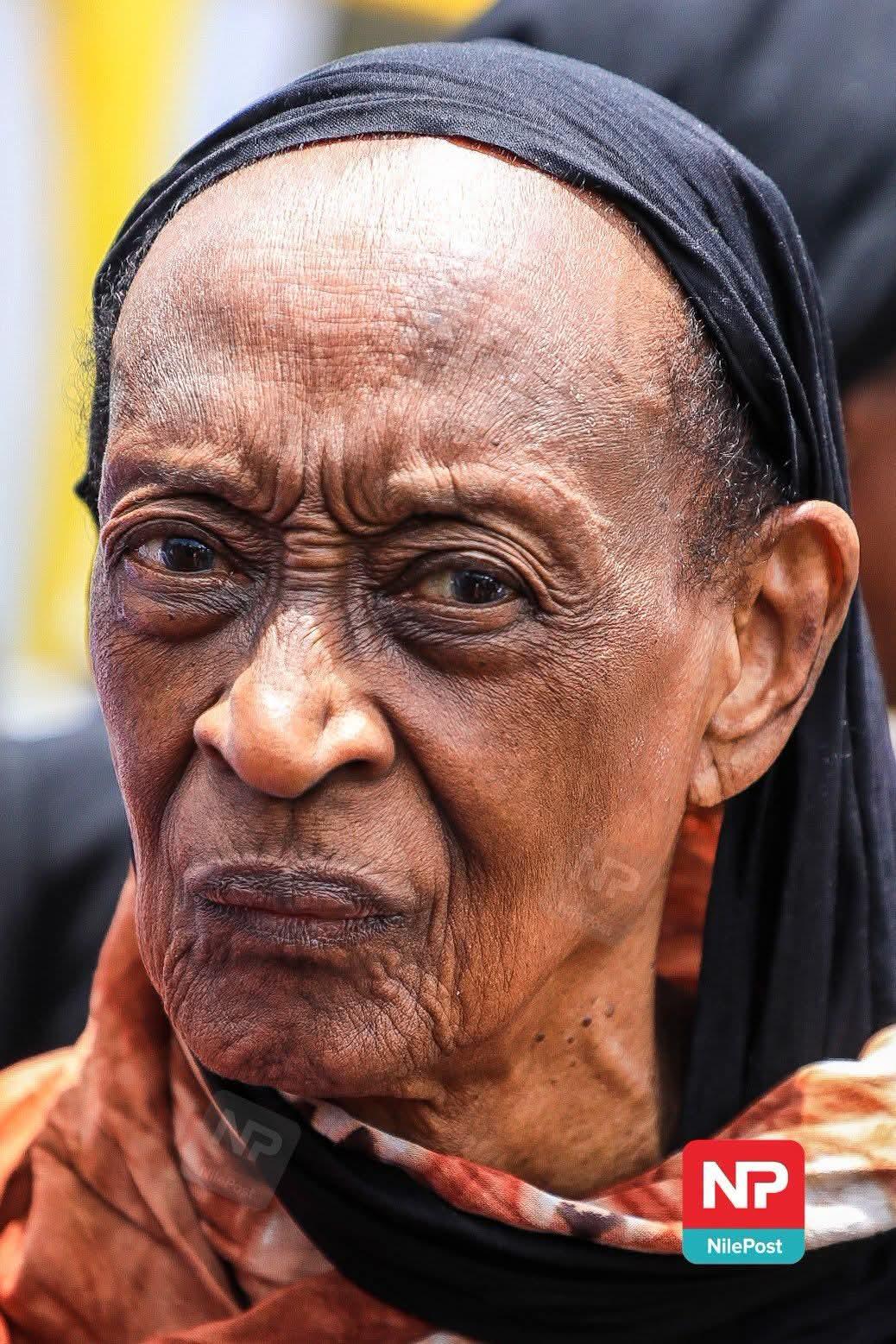
Can we take some time off to appreciate Princess Bagaya of Tooro. The way she is interacting with the people of Tooro during this very difficult time is so beautiful to watch. At 90 years she is still solid and speaks with compassion and you can tell by how people react to her that she is indeed a leader in her own right.😍 #familyCan we take some time off to appreciate Princess Bagaya of Tooro. The way she is interacting with the people of Tooro during this very difficult time is so beautiful to watch. At 90 years she is still solid and speaks with compassion and you can tell by how people react to her that she is indeed a leader in her own right.😍 #family
 0 Reacties 0 aandelen 108 Views 0 voorbeeld
 -
🚨SO ALL ALONG IT WAS ALIE 🤔🤔
Growing up, we were told by our Batoto friends that anyone who falsely claimed to be a crown prince before entering Karuzika Palace would die from the rituals performed by Musuuga and Babiito.
So what has changed now? If he is truly Oyo's son, he will not die, and if he is not, then he will. Unless they want to tell us that everything we were taught as children was a lie.
If those rituals truly work, then why should Akiiki Musuuga be bitter? Let him perform the rituals and let the gods decide. It is that simple.🚨SO ALL ALONG IT WAS ALIE 🤔🤔 Growing up, we were told by our Batoto friends that anyone who falsely claimed to be a crown prince before entering Karuzika Palace would die from the rituals performed by Musuuga and Babiito. So what has changed now? If he is truly Oyo's son, he will not die, and if he is not, then he will. Unless they want to tell us that everything we were taught as children was a lie. If those rituals truly work, then why should Akiiki Musuuga be bitter? Let him perform the rituals and let the gods decide. It is that simple.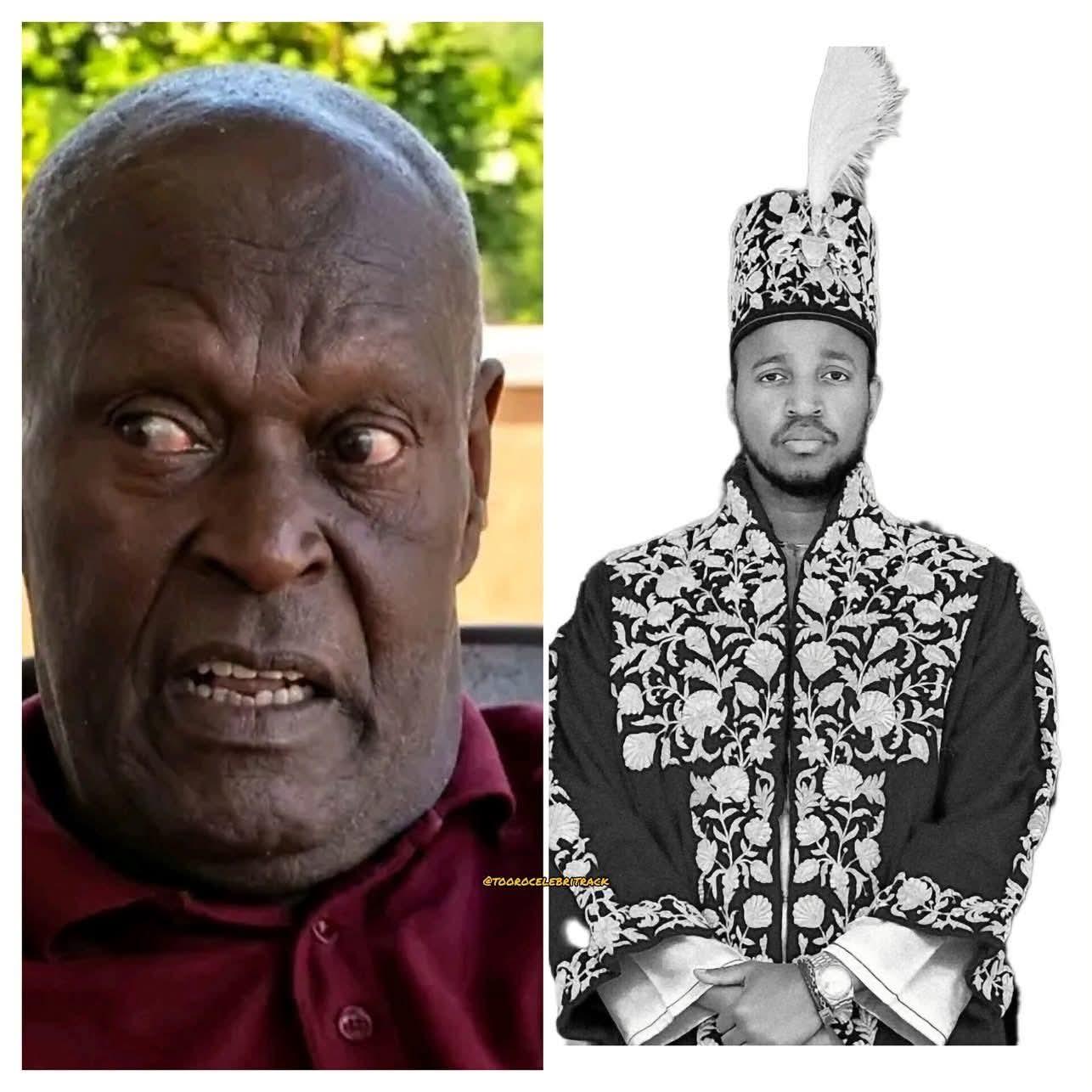 0 Reacties 0 aandelen 172 Views 0 voorbeeld1
-
🚨 Andrew Mwenda reports that 36-year-old George Desmond Kamurasi, a cousin of the late King Oyo Nyimba Kabamba Iguru Rukidi IV, has been selected as the next King of Tooro.
Kamurasi is the son of George Desmond “Jimmy” Mugenyi, the younger brother of the late King Patrick David Mathew Olimi Kaboyo II. According to the will of their late father, King George Rukidi III, Mugenyi was second in line to succeed his brother, Olimi Kaboyo II.
Mwenda says the Royal Succession Committee selected Kamurasi during a meeting held on September 4, 2026, at Fort Motel in Fort Portal City, with the decision reportedly endorsed by Gen Muhoozi Kainerugaba and President Yoweri Museveni.🚨 Andrew Mwenda reports that 36-year-old George Desmond Kamurasi, a cousin of the late King Oyo Nyimba Kabamba Iguru Rukidi IV, has been selected as the next King of Tooro. Kamurasi is the son of George Desmond “Jimmy” Mugenyi, the younger brother of the late King Patrick David Mathew Olimi Kaboyo II. According to the will of their late father, King George Rukidi III, Mugenyi was second in line to succeed his brother, Olimi Kaboyo II. Mwenda says the Royal Succession Committee selected Kamurasi during a meeting held on September 4, 2026, at Fort Motel in Fort Portal City, with the decision reportedly endorsed by Gen Muhoozi Kainerugaba and President Yoweri Museveni.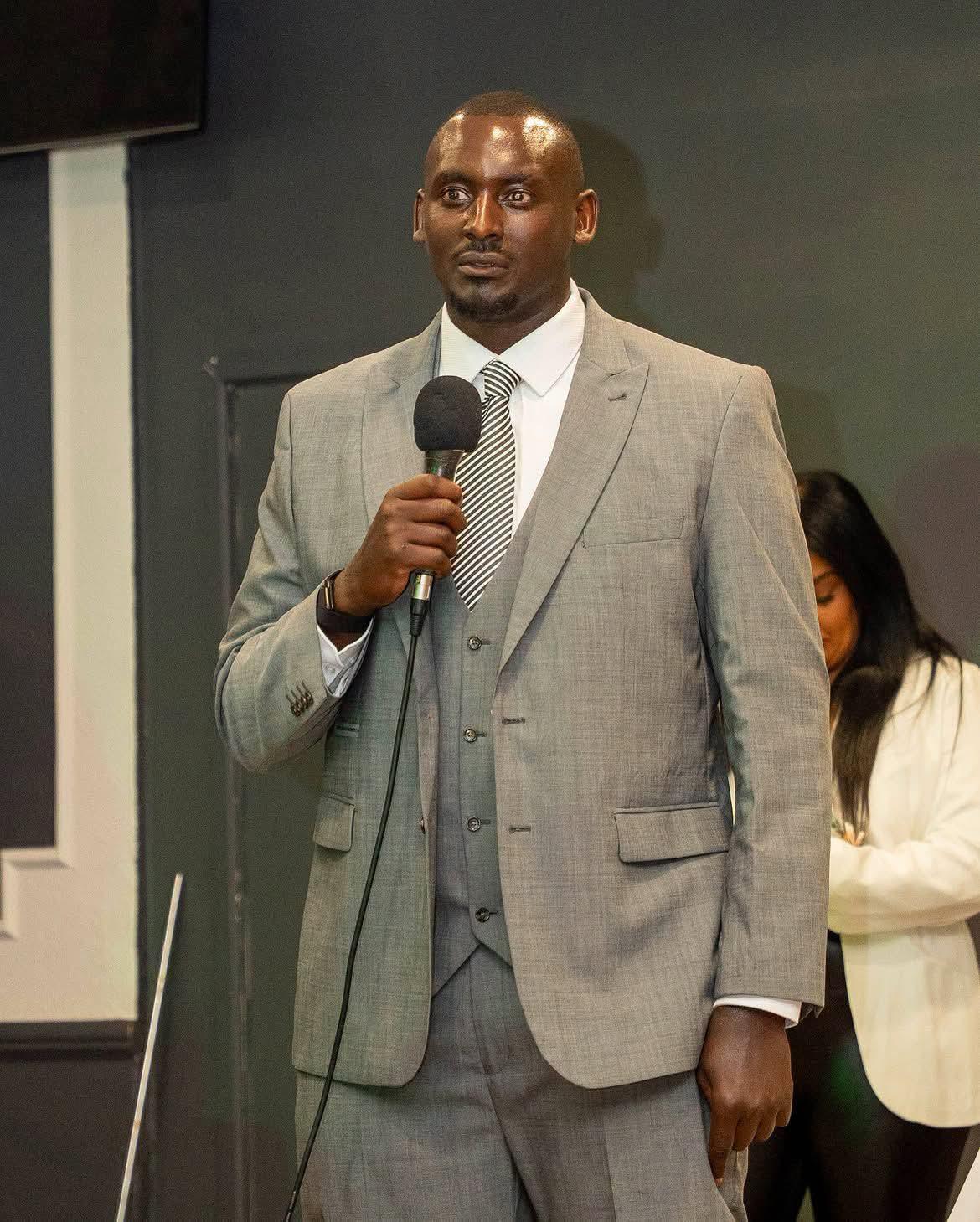 0 Reacties 0 aandelen 169 Views 0 voorbeeld
 -
To understand the life of the late King Oyo Nyimba Kabamba Iguru Rukidi IV, one must first understand the long royal story from which Tooro itself emerged. The history of Tooro is deeply connected to the ancient Bunyoro-Kitara tradition, and according to royal traditions, the Babiito dynasty stretches across generations of rulers, migrations, succession struggles and the creation of new kingdoms. In this long story, Tooro was not simply born as another kingdom; it emerged from a royal family that had grown powerful enough to produce new branches.
The commonly documented history places the foundation of an independent Tooro in the early 19th century. Prince Rukirabasaija Kaboyo Omuhundwa Kasusunkwanzi Olimi I, the eldest son of Bunyoro's Omukama Nyamutukura Kyebambe III, broke away and established his own kingdom. Royal tradition places this separation around 1822, while historical accounts commonly date the establishment of Tooro as an independent kingdom around 1830. Kaboyo became the first Omukama of Tooro, creating a royal house whose descendants would eventually lead the kingdom for generations.
And this is where the story becomes more than a political history. Across the Great Lakes region, oral traditions tell of royal families spreading through migration, marriage and succession. Bunyoro, Tooro and Busoga are remembered within traditions that connect their royal institutions to the wider Babiito story. Whether every detail of those traditions can be established historically or not, they remain important because they explain how communities understand their shared ancestry, royal customs, drums, clans and institutions.
But perhaps the most remarkable chapter in that centuries-old story was written in 1995.
On April 16, 1992, a prince named Oyo Nyimba Kabamba Iguru Rukidi was born into the Tooro royal family. His father was King Patrick David Matthew Kaboyo Olimi III, and his mother was Queen Best Kemigisa. Then, on August 26, 1995, tragedy struck the kingdom when his father died. Suddenly, the three-year-old prince became heir to one of Uganda's most historic traditional kingdoms. On September 12, 1995, little Oyo ascended the Tooro throne. At just three years old, he became the world's youngest reigning monarch.
Imagine that moment. A child who was still at an age when most children were learning how to read, play and understand the world was suddenly carrying the weight of a centuries-old institution. He could not govern in the ordinary sense of an adult monarch, and therefore members of the royal family, guardians and regents helped manage the affairs of the kingdom while he grew up. Yet his name had already travelled far beyond the hills of Fort Portal. Oyo was no longer simply a child; he had become a symbol of Tooro itself.
For the next three decades, his life became intertwined with the modern history of the kingdom. He grew from the famous “boy king” into an adult monarch, formally receiving the full responsibilities of the crown as he reached adulthood. His 18th-birthday coronation in 2010 became another defining moment, transforming the image of the little prince known around the world into that of a young king assuming his place within Tooro's royal tradition.
King Oyo's significance, however, was never limited to the title of “world's youngest monarch.” As an adult, he increasingly represented a bridge between tradition and the younger generation. His public role included support for youth empowerment, education and environmental causes, while the kingdom under his leadership also promoted longer-term development ambitions. In a country where traditional kingdoms have cultural rather than sovereign political authority, Oyo's influence rested largely on identity, heritage, community and the ability of the monarchy to remain relevant to a changing generation.
Then, after more than three decades on the throne, the story suddenly came to an end. On August 27, 2026, Tooro Kingdom announced that King Oyo had died at approximately 10 pm. while receiving medical treatment in the United States. He was 34 years old. His death shocked Uganda because many people had grown up knowing him not simply as a king, but as the little monarch whose extraordinary childhood had made Tooro famous across the world.
Today, when the people of Tooro mourn King Oyo, they are mourning more than an individual. They are mourning a chapter in a royal story that stretches back generations. From the ancient traditions associated with Bunyoro-Kitara, through the emergence of Tooro under Prince Kaboyo, through the restoration of traditional kingdoms in Uganda, and finally to a three-year-old boy who inherited the crown in 1995, Oyo's life became one of the most extraordinary journeys in African royalty.
Perhaps that is the most fitting way to remember him: King Oyo was born into a dynasty, crowned as a child, raised under the weight of history and died as a young man who had spent almost his entire life carrying a crown. The little boy who once captured the world's attention became the face of Tooro for more than 30 years. And now, as the kingdom enters another chapter, the question is no longer how young its king was when he ascended the throne, but what legacy the man he became has left behind.To understand the life of the late King Oyo Nyimba Kabamba Iguru Rukidi IV, one must first understand the long royal story from which Tooro itself emerged. The history of Tooro is deeply connected to the ancient Bunyoro-Kitara tradition, and according to royal traditions, the Babiito dynasty stretches across generations of rulers, migrations, succession struggles and the creation of new kingdoms. In this long story, Tooro was not simply born as another kingdom; it emerged from a royal family that had grown powerful enough to produce new branches. The commonly documented history places the foundation of an independent Tooro in the early 19th century. Prince Rukirabasaija Kaboyo Omuhundwa Kasusunkwanzi Olimi I, the eldest son of Bunyoro's Omukama Nyamutukura Kyebambe III, broke away and established his own kingdom. Royal tradition places this separation around 1822, while historical accounts commonly date the establishment of Tooro as an independent kingdom around 1830. Kaboyo became the first Omukama of Tooro, creating a royal house whose descendants would eventually lead the kingdom for generations. And this is where the story becomes more than a political history. Across the Great Lakes region, oral traditions tell of royal families spreading through migration, marriage and succession. Bunyoro, Tooro and Busoga are remembered within traditions that connect their royal institutions to the wider Babiito story. Whether every detail of those traditions can be established historically or not, they remain important because they explain how communities understand their shared ancestry, royal customs, drums, clans and institutions. But perhaps the most remarkable chapter in that centuries-old story was written in 1995. On April 16, 1992, a prince named Oyo Nyimba Kabamba Iguru Rukidi was born into the Tooro royal family. His father was King Patrick David Matthew Kaboyo Olimi III, and his mother was Queen Best Kemigisa. Then, on August 26, 1995, tragedy struck the kingdom when his father died. Suddenly, the three-year-old prince became heir to one of Uganda's most historic traditional kingdoms. On September 12, 1995, little Oyo ascended the Tooro throne. At just three years old, he became the world's youngest reigning monarch. Imagine that moment. A child who was still at an age when most children were learning how to read, play and understand the world was suddenly carrying the weight of a centuries-old institution. He could not govern in the ordinary sense of an adult monarch, and therefore members of the royal family, guardians and regents helped manage the affairs of the kingdom while he grew up. Yet his name had already travelled far beyond the hills of Fort Portal. Oyo was no longer simply a child; he had become a symbol of Tooro itself. For the next three decades, his life became intertwined with the modern history of the kingdom. He grew from the famous “boy king” into an adult monarch, formally receiving the full responsibilities of the crown as he reached adulthood. His 18th-birthday coronation in 2010 became another defining moment, transforming the image of the little prince known around the world into that of a young king assuming his place within Tooro's royal tradition. King Oyo's significance, however, was never limited to the title of “world's youngest monarch.” As an adult, he increasingly represented a bridge between tradition and the younger generation. His public role included support for youth empowerment, education and environmental causes, while the kingdom under his leadership also promoted longer-term development ambitions. In a country where traditional kingdoms have cultural rather than sovereign political authority, Oyo's influence rested largely on identity, heritage, community and the ability of the monarchy to remain relevant to a changing generation. Then, after more than three decades on the throne, the story suddenly came to an end. On August 27, 2026, Tooro Kingdom announced that King Oyo had died at approximately 10 pm. while receiving medical treatment in the United States. He was 34 years old. His death shocked Uganda because many people had grown up knowing him not simply as a king, but as the little monarch whose extraordinary childhood had made Tooro famous across the world. Today, when the people of Tooro mourn King Oyo, they are mourning more than an individual. They are mourning a chapter in a royal story that stretches back generations. From the ancient traditions associated with Bunyoro-Kitara, through the emergence of Tooro under Prince Kaboyo, through the restoration of traditional kingdoms in Uganda, and finally to a three-year-old boy who inherited the crown in 1995, Oyo's life became one of the most extraordinary journeys in African royalty. Perhaps that is the most fitting way to remember him: King Oyo was born into a dynasty, crowned as a child, raised under the weight of history and died as a young man who had spent almost his entire life carrying a crown. The little boy who once captured the world's attention became the face of Tooro for more than 30 years. And now, as the kingdom enters another chapter, the question is no longer how young its king was when he ascended the throne, but what legacy the man he became has left behind.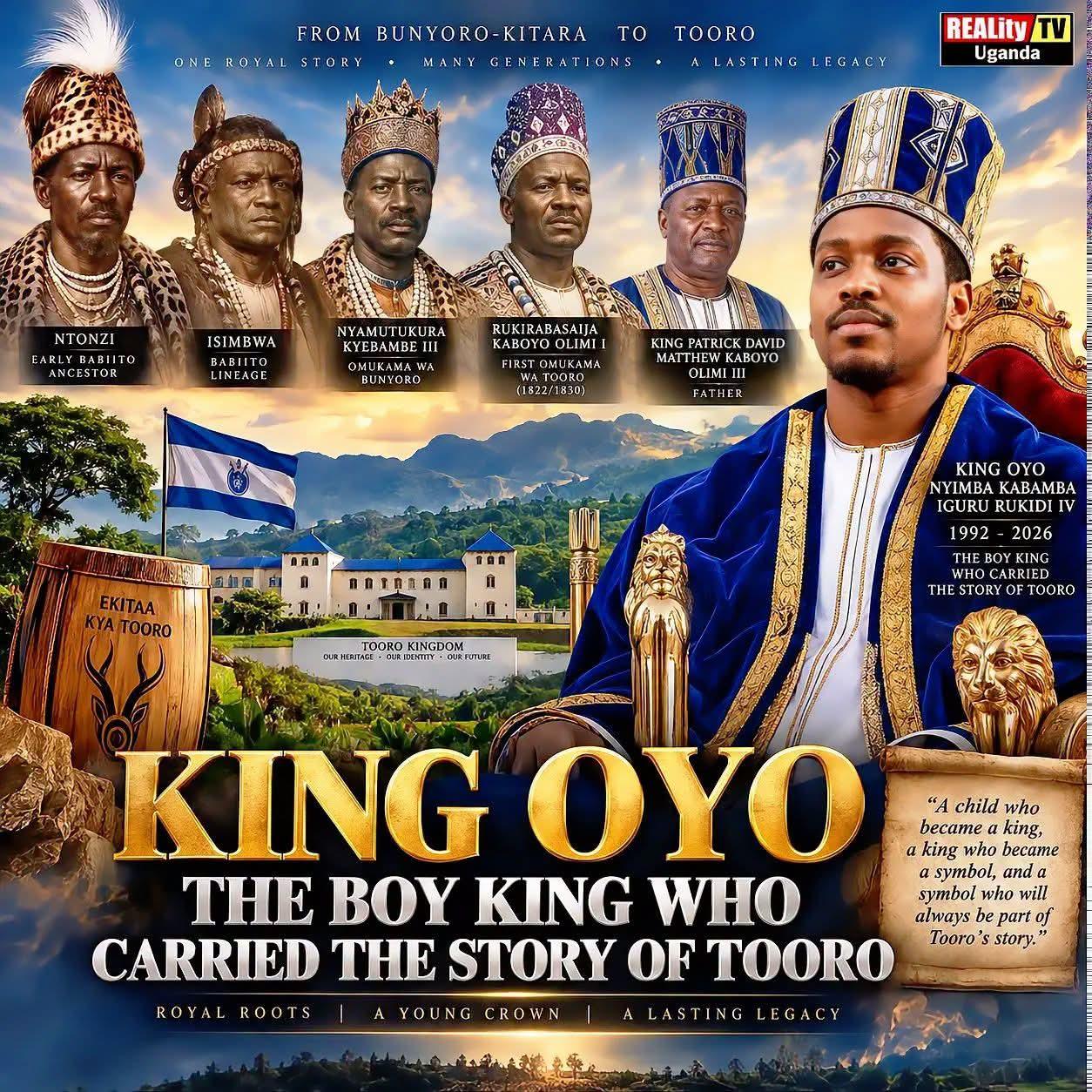 0 Reacties 0 aandelen 184 Views 0 voorbeeld
 -
I AM DONE WITH CHURCH.
There are too many scandals, hypocrites, sinful people, and disappointments. I would rather stay at home and pray to my God.
Let me ask you something:
Did Christ ever say that everyone in His Church would be perfect?
The Church has always had imperfect people in it.
People will disappoint you.
People will fail you.
People will sometimes behave in ways that contradict what they preach,
Some may even commit serious wrong and cause great scandal
Yet, the Church is still standing.
Why?
Because the Church does not stand because her members are perfect.
The Church stands because Christ is faithful. Jesus said “I will build my church, and the gates of hell shall not prevail against it.”
Matthew 16:18
The Church is not made by me.
It is not made by you.
It is not made by priests, pastors, bishops or any human being,
The Church is built on Jesus Christ.
So before you come on social media to drag the Church or say, “I’m done with church. I will stay at home and pray,” ask yourself:
Did I come to church because of Christ, or because of people? Jesus never promised that everyone in His Church would be perfect, even among the Twelve Apostles, one betrayed Jesus.
Even though it was His wish and prayer that everyone should be perfect.
So why do we expect everyone in the Church today to be perfect?
If a leader sins, Christ did not sin.
If a Church member does something wrong, it does not mean that everything Christ established is wrong.
Yes, scandals are painful.
Yes, wrongdoing must be condemned.
Yes, those who have been hurt deserve justice and protection. But the sins of some people should not become the reason you abandon Christ.
And let me say this clearly:
If you leave the Church simply because you discovered scandals, sins, or failures among some of her members, then ask yourself: Did you come to the Church because of Christ, or because of the people?
Because if your faith is in Christ, the failure of a human being should not make you abandon Christ.
People may fail you, but Christ remains faithful. Don’t let the imperfections of people become the reason you walk away from God.I AM DONE WITH CHURCH. There are too many scandals, hypocrites, sinful people, and disappointments. I would rather stay at home and pray to my God. Let me ask you something: Did Christ ever say that everyone in His Church would be perfect? The Church has always had imperfect people in it. People will disappoint you. People will fail you. People will sometimes behave in ways that contradict what they preach, Some may even commit serious wrong and cause great scandal Yet, the Church is still standing. Why? Because the Church does not stand because her members are perfect. The Church stands because Christ is faithful. Jesus said “I will build my church, and the gates of hell shall not prevail against it.” Matthew 16:18 The Church is not made by me. It is not made by you. It is not made by priests, pastors, bishops or any human being, The Church is built on Jesus Christ. So before you come on social media to drag the Church or say, “I’m done with church. I will stay at home and pray,” ask yourself: Did I come to church because of Christ, or because of people? Jesus never promised that everyone in His Church would be perfect, even among the Twelve Apostles, one betrayed Jesus. Even though it was His wish and prayer that everyone should be perfect. So why do we expect everyone in the Church today to be perfect? If a leader sins, Christ did not sin. If a Church member does something wrong, it does not mean that everything Christ established is wrong. Yes, scandals are painful. Yes, wrongdoing must be condemned. Yes, those who have been hurt deserve justice and protection. But the sins of some people should not become the reason you abandon Christ. And let me say this clearly: If you leave the Church simply because you discovered scandals, sins, or failures among some of her members, then ask yourself: Did you come to the Church because of Christ, or because of the people? Because if your faith is in Christ, the failure of a human being should not make you abandon Christ. People may fail you, but Christ remains faithful. Don’t let the imperfections of people become the reason you walk away from God. 0 Reacties 0 aandelen 272 Views 0 voorbeeld



Meer blogs