• Experience Real Money Online Casino Games with Fast Withdrawals at Chaska99

    Play exciting online casino games for real money at Chaska99 and enjoy smooth HD streaming, thrilling jackpots, and quick withdrawal options. Register today to experience secure gaming backed by advanced encryption and reliable customer support at https://chaska99.com/casino
    Experience Real Money Online Casino Games with Fast Withdrawals at Chaska99 Play exciting online casino games for real money at Chaska99 and enjoy smooth HD streaming, thrilling jackpots, and quick withdrawal options. Register today to experience secure gaming backed by advanced encryption and reliable customer support at https://chaska99.com/casino
    0 Kommentare 0 Geteilt 274 Ansichten 0 Bewertungen
  • How Mistfall Hunter Solo Extraction Works on U4GM


    Brandrgarde solo mode has a way of exposing sloppy habits fast. You're scouting, fighting, carrying, and choosing the exit alone, so even a small mistake can wreck a promising run. A quick look at Mistfall Hunter Gyldenblod can help you think about the wider economy before heading into the mist.


    Read the Map Before You Read the Fight


    The first few minutes matter more than most players admit. Don't sprint towards the loudest area just because it might hold better loot. Start by checking sightlines, nearby cover, and likely travel routes. Audio is your early warning system, especially when another hunter is moving through structures or clearing creatures. The updated red-dot gear indicator gives useful context, but don't treat it as a verdict. A well-positioned player with modest equipment can still control the encounter. Your opening aim should be information, not a highlight clip.


    Start wide, then move towards useful cover.
    Listen before opening containers or doors.
    Mark nearby exits before making noise.


    Build Around the Exit, Not the Entrance


    A solo setup should support the last five minutes of the run, not just the first skirmish. Carry reliable healing, energy recovery, and enough ammunition for one ugly surprise. Leave room for the Soul of Return before you begin serious looting. Weight matters too; a packed inventory creates rushed choices when the Returner Woodling appears. I'd rather leave common materials behind than reach the objective with no space, no healing, and a route full of noise. Keep one emergency option untouched whenever possible.


    Keep healing available for the extraction phase.
    Choose tools that work across several ranges.
    Leave one inventory slot open early.


    Reality check: A full bag means very little if you're carrying too much to move safely when pressure arrives.


    Know When the Loot Is Already Enough


    Greed usually arrives quietly. You clear a room, spot one more container, and tell yourself it'll take ten seconds. Then footsteps appear, your route changes, and the valuable haul becomes a liability. Set a private limit before entering: perhaps one strong item, a useful material threshold, or a completed objective. Once you reach it, start rotating towards the Woodling. Rival hunters may be worth avoiding even when you think you have the better gear. Position, stamina, and timing can flip that decision quickly. Walking away is still progress.


    Leave after reaching your pre-set haul target.
    Skip exposed rooms when nearby movement sounds close.
    Take short routes with cover between landmarks.


    Make Extraction a Separate Phase


    Reaching the Returner Woodling changes the job completely. Stop browsing shelves, stop chasing distant sounds, and check your resources one last time. Know where you'll stand, where you'll retreat, and which angle gives another hunter the easiest approach. Once the Soul of Return is secured, treat every extra action as a fresh risk. Don't linger for a final chest. Don't investigate footsteps unless they block the only safe route. Move steadily, avoid predictable corners, and keep enough stamina for the final stretch. Clean exits come from boring decisions repeated well.


    Check healing and space before touching the Woodling.
    After securing the Soul, follow the planned route.
    Review each death for one fixable decision.


    Keep the Long Game Manageable


    Normal difficulty is a good place to practise the complete loop: scouting, selective fighting, inventory control, and extraction. Cataclysm should come after those habits feel automatic, not because one lucky run made the harder queue look easy. Keep a small reserve of basic supplies at camp, then replace what you use after each trip. Review successful escapes as closely as failures. Maybe your route stayed quiet. Maybe you left early. Those details are repeatable, and they matter more than chasing a perfect run. For players building that rhythm, buy Mistfall Hunter Gyldenblood only when it fits the plan, not because the next match feels urgent.


    At U4GM, solo Brandrgarde runs feel less daunting with down-to-earth Mistfall Hunter advice on scouting, bag space and getting out with your Soul of Return. Check https://www.u4gm.com/mistfall-hunter/gyldenblod for Gyldenblod guidance, useful for the long haul, then keep it simple: hear the fight, pick your moment, and extract before greed gets you.

    How Mistfall Hunter Solo Extraction Works on U4GM Brandrgarde solo mode has a way of exposing sloppy habits fast. You're scouting, fighting, carrying, and choosing the exit alone, so even a small mistake can wreck a promising run. A quick look at Mistfall Hunter Gyldenblod can help you think about the wider economy before heading into the mist. Read the Map Before You Read the Fight The first few minutes matter more than most players admit. Don't sprint towards the loudest area just because it might hold better loot. Start by checking sightlines, nearby cover, and likely travel routes. Audio is your early warning system, especially when another hunter is moving through structures or clearing creatures. The updated red-dot gear indicator gives useful context, but don't treat it as a verdict. A well-positioned player with modest equipment can still control the encounter. Your opening aim should be information, not a highlight clip. Start wide, then move towards useful cover. Listen before opening containers or doors. Mark nearby exits before making noise. Build Around the Exit, Not the Entrance A solo setup should support the last five minutes of the run, not just the first skirmish. Carry reliable healing, energy recovery, and enough ammunition for one ugly surprise. Leave room for the Soul of Return before you begin serious looting. Weight matters too; a packed inventory creates rushed choices when the Returner Woodling appears. I'd rather leave common materials behind than reach the objective with no space, no healing, and a route full of noise. Keep one emergency option untouched whenever possible. Keep healing available for the extraction phase. Choose tools that work across several ranges. Leave one inventory slot open early. Reality check: A full bag means very little if you're carrying too much to move safely when pressure arrives. Know When the Loot Is Already Enough Greed usually arrives quietly. You clear a room, spot one more container, and tell yourself it'll take ten seconds. Then footsteps appear, your route changes, and the valuable haul becomes a liability. Set a private limit before entering: perhaps one strong item, a useful material threshold, or a completed objective. Once you reach it, start rotating towards the Woodling. Rival hunters may be worth avoiding even when you think you have the better gear. Position, stamina, and timing can flip that decision quickly. Walking away is still progress. Leave after reaching your pre-set haul target. Skip exposed rooms when nearby movement sounds close. Take short routes with cover between landmarks. Make Extraction a Separate Phase Reaching the Returner Woodling changes the job completely. Stop browsing shelves, stop chasing distant sounds, and check your resources one last time. Know where you'll stand, where you'll retreat, and which angle gives another hunter the easiest approach. Once the Soul of Return is secured, treat every extra action as a fresh risk. Don't linger for a final chest. Don't investigate footsteps unless they block the only safe route. Move steadily, avoid predictable corners, and keep enough stamina for the final stretch. Clean exits come from boring decisions repeated well. Check healing and space before touching the Woodling. After securing the Soul, follow the planned route. Review each death for one fixable decision. Keep the Long Game Manageable Normal difficulty is a good place to practise the complete loop: scouting, selective fighting, inventory control, and extraction. Cataclysm should come after those habits feel automatic, not because one lucky run made the harder queue look easy. Keep a small reserve of basic supplies at camp, then replace what you use after each trip. Review successful escapes as closely as failures. Maybe your route stayed quiet. Maybe you left early. Those details are repeatable, and they matter more than chasing a perfect run. For players building that rhythm, buy Mistfall Hunter Gyldenblood only when it fits the plan, not because the next match feels urgent. At U4GM, solo Brandrgarde runs feel less daunting with down-to-earth Mistfall Hunter advice on scouting, bag space and getting out with your Soul of Return. Check https://www.u4gm.com/mistfall-hunter/gyldenblod for Gyldenblod guidance, useful for the long haul, then keep it simple: hear the fight, pick your moment, and extract before greed gets you.

    0 Kommentare 0 Geteilt 332 Ansichten 0 Bewertungen
  • 0 Kommentare 0 Geteilt 245 Ansichten 0 Bewertungen
  • Social network
    0 Kommentare 0 Geteilt 323 Ansichten 0 Bewertungen
  • Like
    1
    0 Kommentare 0 Geteilt 119 Ansichten 0 Bewertungen
  • 0 Kommentare 0 Geteilt 56 Ansichten 0 Bewertungen
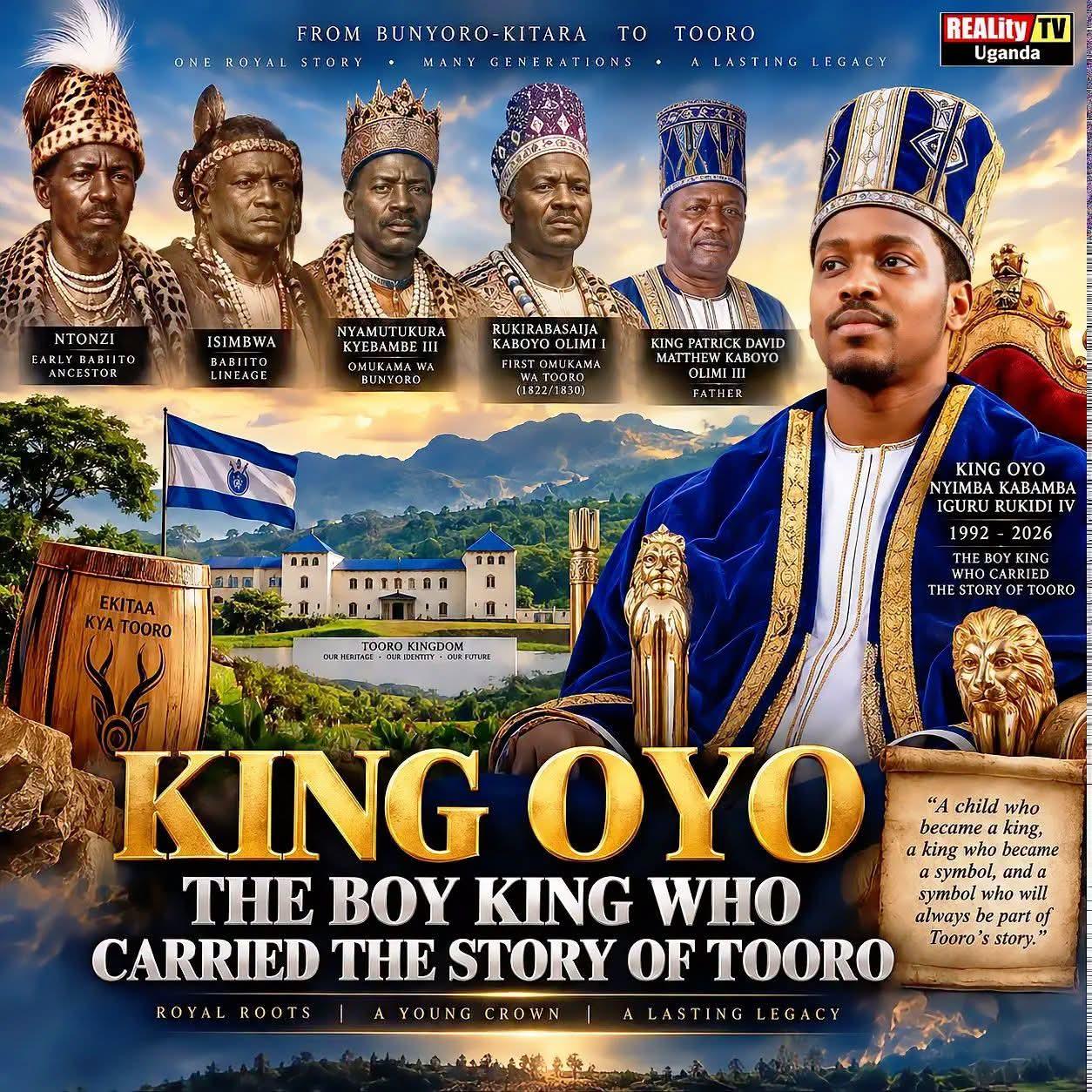
  • To understand the life of the late King Oyo Nyimba Kabamba Iguru Rukidi IV, one must first understand the long royal story from which Tooro itself emerged. The history of Tooro is deeply connected to the ancient Bunyoro-Kitara tradition, and according to royal traditions, the Babiito dynasty stretches across generations of rulers, migrations, succession struggles and the creation of new kingdoms. In this long story, Tooro was not simply born as another kingdom; it emerged from a royal family that had grown powerful enough to produce new branches.

    The commonly documented history places the foundation of an independent Tooro in the early 19th century. Prince Rukirabasaija Kaboyo Omuhundwa Kasusunkwanzi Olimi I, the eldest son of Bunyoro's Omukama Nyamutukura Kyebambe III, broke away and established his own kingdom. Royal tradition places this separation around 1822, while historical accounts commonly date the establishment of Tooro as an independent kingdom around 1830. Kaboyo became the first Omukama of Tooro, creating a royal house whose descendants would eventually lead the kingdom for generations.

    And this is where the story becomes more than a political history. Across the Great Lakes region, oral traditions tell of royal families spreading through migration, marriage and succession. Bunyoro, Tooro and Busoga are remembered within traditions that connect their royal institutions to the wider Babiito story. Whether every detail of those traditions can be established historically or not, they remain important because they explain how communities understand their shared ancestry, royal customs, drums, clans and institutions.

    But perhaps the most remarkable chapter in that centuries-old story was written in 1995.

    On April 16, 1992, a prince named Oyo Nyimba Kabamba Iguru Rukidi was born into the Tooro royal family. His father was King Patrick David Matthew Kaboyo Olimi III, and his mother was Queen Best Kemigisa. Then, on August 26, 1995, tragedy struck the kingdom when his father died. Suddenly, the three-year-old prince became heir to one of Uganda's most historic traditional kingdoms. On September 12, 1995, little Oyo ascended the Tooro throne. At just three years old, he became the world's youngest reigning monarch.

    Imagine that moment. A child who was still at an age when most children were learning how to read, play and understand the world was suddenly carrying the weight of a centuries-old institution. He could not govern in the ordinary sense of an adult monarch, and therefore members of the royal family, guardians and regents helped manage the affairs of the kingdom while he grew up. Yet his name had already travelled far beyond the hills of Fort Portal. Oyo was no longer simply a child; he had become a symbol of Tooro itself.

    For the next three decades, his life became intertwined with the modern history of the kingdom. He grew from the famous “boy king” into an adult monarch, formally receiving the full responsibilities of the crown as he reached adulthood. His 18th-birthday coronation in 2010 became another defining moment, transforming the image of the little prince known around the world into that of a young king assuming his place within Tooro's royal tradition.

    King Oyo's significance, however, was never limited to the title of “world's youngest monarch.” As an adult, he increasingly represented a bridge between tradition and the younger generation. His public role included support for youth empowerment, education and environmental causes, while the kingdom under his leadership also promoted longer-term development ambitions. In a country where traditional kingdoms have cultural rather than sovereign political authority, Oyo's influence rested largely on identity, heritage, community and the ability of the monarchy to remain relevant to a changing generation.

    Then, after more than three decades on the throne, the story suddenly came to an end. On August 27, 2026, Tooro Kingdom announced that King Oyo had died at approximately 10 pm. while receiving medical treatment in the United States. He was 34 years old. His death shocked Uganda because many people had grown up knowing him not simply as a king, but as the little monarch whose extraordinary childhood had made Tooro famous across the world.

    Today, when the people of Tooro mourn King Oyo, they are mourning more than an individual. They are mourning a chapter in a royal story that stretches back generations. From the ancient traditions associated with Bunyoro-Kitara, through the emergence of Tooro under Prince Kaboyo, through the restoration of traditional kingdoms in Uganda, and finally to a three-year-old boy who inherited the crown in 1995, Oyo's life became one of the most extraordinary journeys in African royalty.

    Perhaps that is the most fitting way to remember him: King Oyo was born into a dynasty, crowned as a child, raised under the weight of history and died as a young man who had spent almost his entire life carrying a crown. The little boy who once captured the world's attention became the face of Tooro for more than 30 years. And now, as the kingdom enters another chapter, the question is no longer how young its king was when he ascended the throne, but what legacy the man he became has left behind.
    To understand the life of the late King Oyo Nyimba Kabamba Iguru Rukidi IV, one must first understand the long royal story from which Tooro itself emerged. The history of Tooro is deeply connected to the ancient Bunyoro-Kitara tradition, and according to royal traditions, the Babiito dynasty stretches across generations of rulers, migrations, succession struggles and the creation of new kingdoms. In this long story, Tooro was not simply born as another kingdom; it emerged from a royal family that had grown powerful enough to produce new branches. The commonly documented history places the foundation of an independent Tooro in the early 19th century. Prince Rukirabasaija Kaboyo Omuhundwa Kasusunkwanzi Olimi I, the eldest son of Bunyoro's Omukama Nyamutukura Kyebambe III, broke away and established his own kingdom. Royal tradition places this separation around 1822, while historical accounts commonly date the establishment of Tooro as an independent kingdom around 1830. Kaboyo became the first Omukama of Tooro, creating a royal house whose descendants would eventually lead the kingdom for generations. And this is where the story becomes more than a political history. Across the Great Lakes region, oral traditions tell of royal families spreading through migration, marriage and succession. Bunyoro, Tooro and Busoga are remembered within traditions that connect their royal institutions to the wider Babiito story. Whether every detail of those traditions can be established historically or not, they remain important because they explain how communities understand their shared ancestry, royal customs, drums, clans and institutions. But perhaps the most remarkable chapter in that centuries-old story was written in 1995. On April 16, 1992, a prince named Oyo Nyimba Kabamba Iguru Rukidi was born into the Tooro royal family. His father was King Patrick David Matthew Kaboyo Olimi III, and his mother was Queen Best Kemigisa. Then, on August 26, 1995, tragedy struck the kingdom when his father died. Suddenly, the three-year-old prince became heir to one of Uganda's most historic traditional kingdoms. On September 12, 1995, little Oyo ascended the Tooro throne. At just three years old, he became the world's youngest reigning monarch. Imagine that moment. A child who was still at an age when most children were learning how to read, play and understand the world was suddenly carrying the weight of a centuries-old institution. He could not govern in the ordinary sense of an adult monarch, and therefore members of the royal family, guardians and regents helped manage the affairs of the kingdom while he grew up. Yet his name had already travelled far beyond the hills of Fort Portal. Oyo was no longer simply a child; he had become a symbol of Tooro itself. For the next three decades, his life became intertwined with the modern history of the kingdom. He grew from the famous “boy king” into an adult monarch, formally receiving the full responsibilities of the crown as he reached adulthood. His 18th-birthday coronation in 2010 became another defining moment, transforming the image of the little prince known around the world into that of a young king assuming his place within Tooro's royal tradition. King Oyo's significance, however, was never limited to the title of “world's youngest monarch.” As an adult, he increasingly represented a bridge between tradition and the younger generation. His public role included support for youth empowerment, education and environmental causes, while the kingdom under his leadership also promoted longer-term development ambitions. In a country where traditional kingdoms have cultural rather than sovereign political authority, Oyo's influence rested largely on identity, heritage, community and the ability of the monarchy to remain relevant to a changing generation. Then, after more than three decades on the throne, the story suddenly came to an end. On August 27, 2026, Tooro Kingdom announced that King Oyo had died at approximately 10 pm. while receiving medical treatment in the United States. He was 34 years old. His death shocked Uganda because many people had grown up knowing him not simply as a king, but as the little monarch whose extraordinary childhood had made Tooro famous across the world. Today, when the people of Tooro mourn King Oyo, they are mourning more than an individual. They are mourning a chapter in a royal story that stretches back generations. From the ancient traditions associated with Bunyoro-Kitara, through the emergence of Tooro under Prince Kaboyo, through the restoration of traditional kingdoms in Uganda, and finally to a three-year-old boy who inherited the crown in 1995, Oyo's life became one of the most extraordinary journeys in African royalty. Perhaps that is the most fitting way to remember him: King Oyo was born into a dynasty, crowned as a child, raised under the weight of history and died as a young man who had spent almost his entire life carrying a crown. The little boy who once captured the world's attention became the face of Tooro for more than 30 years. And now, as the kingdom enters another chapter, the question is no longer how young its king was when he ascended the throne, but what legacy the man he became has left behind.
    0 Kommentare 0 Geteilt 400 Ansichten 0 Bewertungen
  • 🚨 Andrew Mwenda reports that 36-year-old George Desmond Kamurasi, a cousin of the late King Oyo Nyimba Kabamba Iguru Rukidi IV, has been selected as the next King of Tooro.

    Kamurasi is the son of George Desmond “Jimmy” Mugenyi, the younger brother of the late King Patrick David Mathew Olimi Kaboyo II. According to the will of their late father, King George Rukidi III, Mugenyi was second in line to succeed his brother, Olimi Kaboyo II.

    Mwenda says the Royal Succession Committee selected Kamurasi during a meeting held on September 4, 2026, at Fort Motel in Fort Portal City, with the decision reportedly endorsed by Gen Muhoozi Kainerugaba and President Yoweri Museveni.
    🚨 Andrew Mwenda reports that 36-year-old George Desmond Kamurasi, a cousin of the late King Oyo Nyimba Kabamba Iguru Rukidi IV, has been selected as the next King of Tooro. Kamurasi is the son of George Desmond “Jimmy” Mugenyi, the younger brother of the late King Patrick David Mathew Olimi Kaboyo II. According to the will of their late father, King George Rukidi III, Mugenyi was second in line to succeed his brother, Olimi Kaboyo II. Mwenda says the Royal Succession Committee selected Kamurasi during a meeting held on September 4, 2026, at Fort Motel in Fort Portal City, with the decision reportedly endorsed by Gen Muhoozi Kainerugaba and President Yoweri Museveni.
    0 Kommentare 0 Geteilt 313 Ansichten 0 Bewertungen
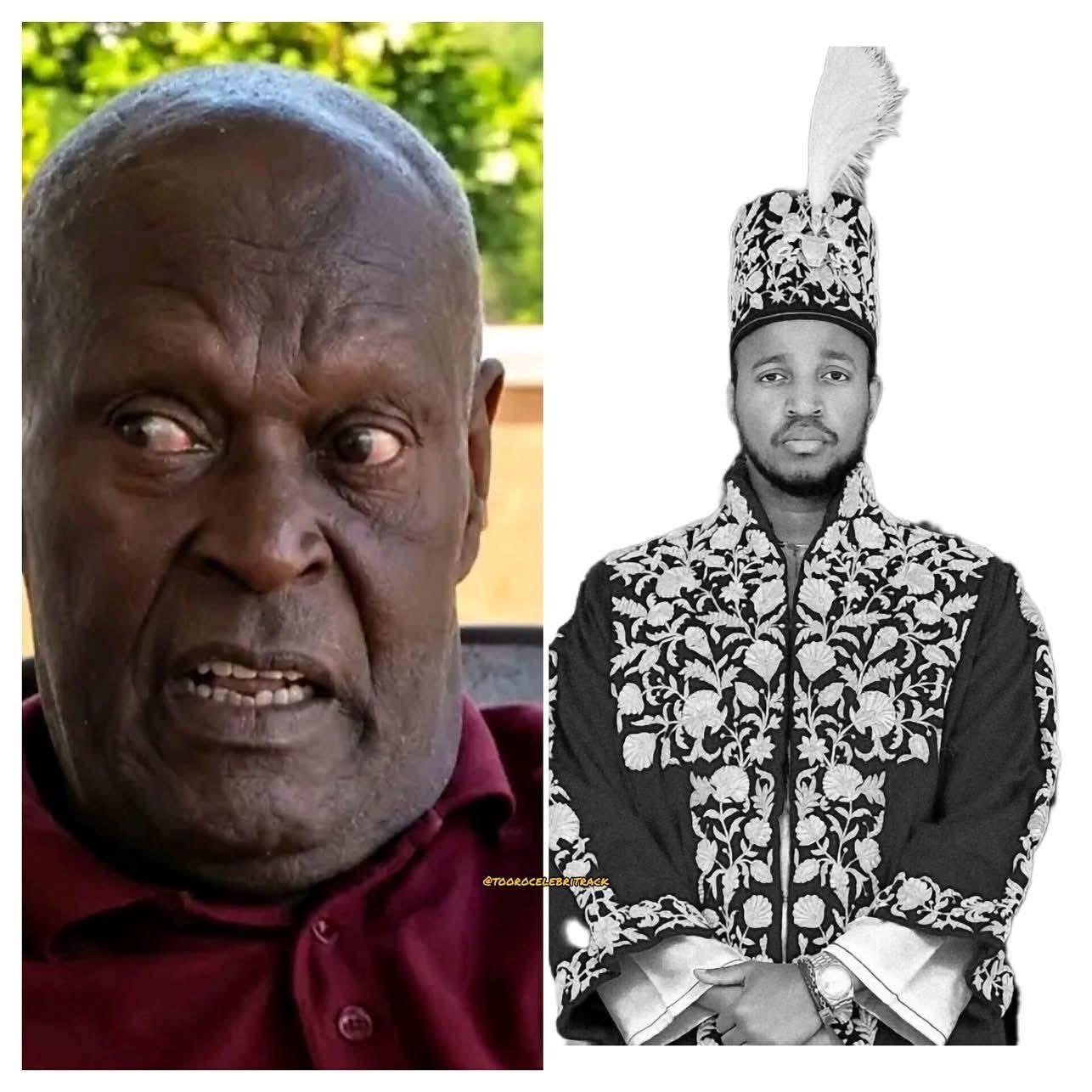
  • 🚨SO ALL ALONG IT WAS ALIE 🤔🤔

    Growing up, we were told by our Batoto friends that anyone who falsely claimed to be a crown prince before entering Karuzika Palace would die from the rituals performed by Musuuga and Babiito.

    So what has changed now? If he is truly Oyo's son, he will not die, and if he is not, then he will. Unless they want to tell us that everything we were taught as children was a lie.

    If those rituals truly work, then why should Akiiki Musuuga be bitter? Let him perform the rituals and let the gods decide. It is that simple.
    🚨SO ALL ALONG IT WAS ALIE 🤔🤔 Growing up, we were told by our Batoto friends that anyone who falsely claimed to be a crown prince before entering Karuzika Palace would die from the rituals performed by Musuuga and Babiito. So what has changed now? If he is truly Oyo's son, he will not die, and if he is not, then he will. Unless they want to tell us that everything we were taught as children was a lie. If those rituals truly work, then why should Akiiki Musuuga be bitter? Let him perform the rituals and let the gods decide. It is that simple.
    Like
    1
    0 Kommentare 0 Geteilt 375 Ansichten 0 Bewertungen
  • 0 Kommentare 0 Geteilt 60 Ansichten 0 Bewertungen
IgiChat https://igichat.com