

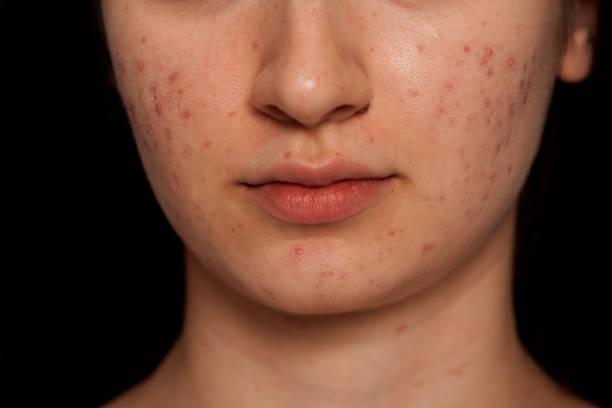

Acne is a common skin concern that can affect people of different ages and skin types. While some breakouts are mild and manageable with simple skincare habits, persistent or severe acne may require expert attention. Choosing between home remedies and professional care depends on the type of acne, its severity, and how your skin responds to treatment. Understanding the benefits and limitations of both options can help you make a better decision. If you are exploring Acne Treatment in Riyadh, learning how professional procedures compare with home care can help you choose an approach that supports healthier-looking skin.
Home remedies are often appealing because they are easy to try and may involve ingredients already available at home. However, not every natural ingredient is suitable for acne-prone skin, and some popular remedies can cause irritation or make breakouts worse. Professional care offers a more targeted approach by identifying possible causes and selecting treatments according to individual skin needs. A suitable Acne Treatment in Riyadh plan may combine dermatologist-recommended products, medical treatments, and a consistent daily routine to manage breakouts more effectively.
Understanding Home Remedies for Acne
Home remedies generally involve simple skincare practices or commonly available ingredients intended to soothe the skin and reduce breakouts. Some habits can support skin health, but home remedies should not be considered a replacement for proven acne treatments.
Common Home Care Practices
A gentle skincare routine is one of the most useful steps for managing mild acne. Washing the face with a mild cleanser, avoiding harsh scrubbing, and using non-comedogenic moisturizers can help maintain the skin barrier. Applying sunscreen during the day is also important, especially when using products that may increase sun sensitivity.
Other helpful habits include:
-
Washing the face gently twice daily and after heavy sweating.
-
Avoiding picking, squeezing, or scratching pimples.
-
Choosing skincare and makeup products labelled non-comedogenic.
-
Changing pillowcases regularly and keeping items that touch the face clean.
-
Maintaining a balanced diet and getting sufficient sleep.
Do Natural Ingredients Help?
Some people use ingredients such as aloe vera or honey because they may have soothing properties. However, evidence that these ingredients can reliably treat acne is limited. Lemon juice, toothpaste, baking soda, and undiluted essential oils are not recommended acne treatments because they can irritate the skin and damage its protective barrier.
Before applying a new ingredient, consider the possibility of an allergic reaction or irritation. A patch test may help identify sensitivity, but it does not guarantee that a product is safe for the entire face.
What Is Professional Acne Treatment?
Professional acne treatment involves assessment and care from a qualified dermatologist or trained medical professional. The treatment plan depends on the type of acne, skin sensitivity, medical history, and whether the person has active breakouts, inflammation, or acne scars.
Dermatologist Assessment
A dermatologist examines the skin to identify whether the acne is mainly comedonal, inflammatory, hormonal, or potentially related to another skin condition. This assessment helps determine which treatments are appropriate and whether further evaluation is needed.
A professional may also review current skincare products and habits that could be contributing to irritation or clogged pores. This makes it easier to develop a realistic routine rather than relying on random products.
Medical Skincare Products
Depending on the diagnosis, a dermatologist may recommend evidence-based ingredients such as benzoyl peroxide, salicylic acid, topical retinoids, or azelaic acid. These ingredients work in different ways, including unclogging pores, reducing acne-causing bacteria, and managing inflammation.
Some treatments are available over the counter, while others require a prescription. Prescription medicines should be used according to professional instructions because they may cause dryness, irritation, or other side effects.
In-Clinic Procedures
Certain clinical procedures may be considered for selected patients. These can include chemical peels, extraction of suitable comedones by a trained professional, or specific laser and light-based treatments. The right option depends on the acne type and individual skin condition.
Procedures are not suitable for everyone and may need to be combined with medical skincare. Treatments for acne scars are also different from treatments for active breakouts, so a professional assessment is important before choosing a procedure.
Professional Acne Treatment vs Home Remedies: Key Differences
Both approaches can play a role in a skincare plan, but they have different strengths and limitations.
Effectiveness
Home care can support mild acne, especially when it involves gentle cleansing, suitable moisturizers, sunscreen, and proven over-the-counter products. However, household ingredients alone are unlikely to control moderate or severe acne.
Professional treatment provides access to a wider range of evidence-based options and allows the plan to be adjusted when the skin does not respond as expected.
Safety
Natural does not always mean safe. Harsh ingredients and excessive exfoliation can damage the skin barrier, causing redness, dryness, and irritation. Professional guidance helps reduce the risk of using unsuitable products or combining active ingredients incorrectly.
Personalization
Home remedies are usually selected without a detailed understanding of the acne type. Professional care is more individualized because the dermatologist considers skin condition, medical history, possible triggers, and treatment response.
Long-Term Skin Health
Consistent home skincare is important for maintaining results, but persistent acne may need ongoing medical management. A dermatologist can also advise on preventing post-acne marks and identifying when scar-focused treatment may be appropriate.
When Should You Choose Professional Acne Treatment?
Mild breakouts may improve with a consistent routine and appropriate over-the-counter products. However, professional advice is recommended if acne is painful, deep, persistent, or leaving scars or dark marks.
Consider consulting a dermatologist if:
-
Breakouts continue despite several weeks of suitable skincare.
-
You develop deep, painful nodules or cyst-like lesions.
-
Acne is spreading across the face, chest, shoulders, or back.
-
Dark spots or scars are appearing after pimples heal.
-
Acne is affecting your confidence or emotional well-being.
Early assessment can help identify an appropriate treatment plan and reduce the risk of long-lasting marks or scarring.
How to Support Acne Treatment at Home
Professional care works best when supported by consistent daily habits. Follow the treatment instructions provided by your dermatologist and avoid adding multiple active ingredients without guidance.
Build a Simple Skincare Routine
Use a gentle cleanser, a suitable moisturizer, and broad-spectrum sunscreen. Introduce active ingredients gradually, following product directions or medical advice. Using too many exfoliating products at once can increase irritation without improving results.
Avoid Common Acne Triggers
Do not squeeze pimples, scrub aggressively, or use irritating household ingredients. Heavy or pore-clogging products may worsen breakouts in some individuals, so choose products designed for acne-prone skin.
Be Patient and Consistent
Acne treatments often take several weeks to show noticeable improvement. Changing products too frequently can make it difficult to determine what is working and may irritate the skin. Follow the recommended plan and attend review appointments when advised.
Which Option Works Better for Clearer Skin?
For occasional mild breakouts, suitable home skincare and proven over-the-counter products may be enough. For persistent, painful, moderate, or severe acne, professional treatment is generally the more appropriate choice because it offers diagnosis, personalized care, and access to medical options. Home care remains an important part of managing acne, but unproven remedies should not replace effective treatment.
Choosing Acne Treatment in Riyadh with professional guidance can help you understand your skin concerns and select an approach based on your needs. The best results usually come from combining appropriate medical care with gentle, consistent skincare habits.
Book Your Acne Consultation at Royal Clinic Saudia
If acne is affecting your skin or confidence, consider arranging a consultation with the team at Royal Clinic Saudia. A professional assessment can help identify your acne concerns and discuss suitable treatment options based on your skin type and condition. Follow expert guidance to build a skincare plan that supports healthier-looking skin.
FAQs:
1. Are home remedies enough to treat acne?
Home care may support mild acne when it includes gentle cleansing and suitable skincare products. However, household ingredients are not proven treatments for moderate or severe acne, which may require professional assessment.
2. Is professional acne treatment better than natural remedies?
Professional treatment generally offers more reliable options because it is based on the acne type and individual skin needs. Natural remedies may soothe some skin concerns, but their effectiveness for treating acne is limited.
3. How long does professional acne treatment take to work?
Many acne treatments need several weeks before improvement becomes noticeable. The timeline depends on the treatment, acne severity, and individual response. Your dermatologist can explain what to expect.
4. Can I combine home skincare with professional acne treatment?
Yes. A gentle home routine often supports professional treatment. Use recommended cleansers, moisturizers, and sunscreen, and ask your dermatologist before adding new active ingredients or home remedies.