

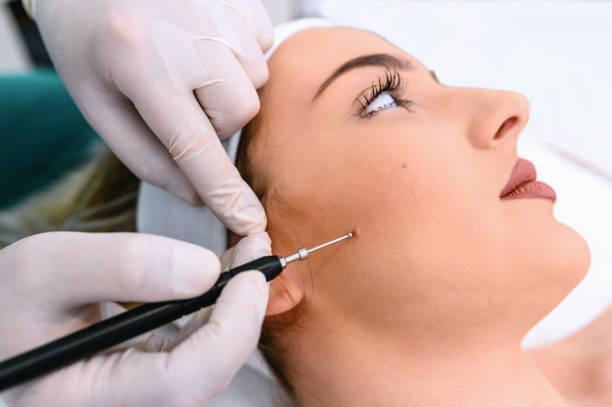

Wart removal is a common dermatological procedure used to treat unwanted skin growths caused by the human papillomavirus (HPV). Although the treatment itself may take only a few minutes, the skin needs time to heal afterward. Recovery time can vary depending on the wart's size, location, removal technique, and individual healing response. Understanding what to expect can help patients prepare for the healing process and take proper care of the treated area. Wart removal in Riyadh (إزالة الثآليل في الرياض) may involve different treatment approaches, so recovery expectations should be discussed with a qualified dermatologist.
Some people experience mild redness, swelling, tenderness, or blistering after treatment, while others have very little discomfort. Small treated areas may heal relatively quickly, whereas deeper treatments or warts on pressure-prone areas such as the soles of the feet may require longer recovery. Wart removal in Riyadh should begin with a professional assessment to determine the most suitable treatment and explain the expected healing period.
How Long Does It Take to Recover After Wart Removal?
The recovery period depends largely on the method used. After some treatments, mild irritation may settle within a few days. Other procedures can create a blister, scab, or small wound that takes one or more weeks to heal. The skin may take longer to return to its usual appearance even after the wart tissue has been treated.
For example, cryotherapy may cause a blister followed by a scab, while surgical removal can leave a wound that needs careful aftercare. Your dermatologist can provide a more realistic estimate based on the treatment area and your skin's response.
Recovery Time After Different Wart Removal Treatments
1. Cryotherapy
Cryotherapy uses liquid nitrogen to freeze the wart tissue. After treatment, the area may become red, swollen, tender, or blistered. A scab may form as the treated skin heals and usually separates naturally.
Healing can take several days to a few weeks, depending on the size and location of the treated wart. Some warts also require multiple cryotherapy sessions, with time between appointments for the skin to recover.
2. Laser Treatment
Laser treatment may be used for selected stubborn or difficult-to-treat warts. Recovery depends on the laser technique, depth of treatment, and size of the affected area. Temporary redness, swelling, tenderness, or crusting may occur.
The treated skin may need days or weeks to heal. Your dermatologist will explain how to care for the area and when normal activities can be resumed.
3. Surgical Wart Removal
In certain cases, a dermatologist may remove wart tissue using a minor surgical procedure. The treated area may be left with a small wound that needs to heal. Recovery varies according to the wound's depth, location, and whether stitches are required.
Patients should keep the area clean, follow dressing instructions, and attend any recommended follow-up appointment. Avoid putting pressure on the treated area until your healthcare provider advises that it is safe.
4. Topical Treatment
Some warts are treated with topical products, such as salicylic acid, which gradually remove layers of affected skin. This approach usually takes several weeks and sometimes longer. Mild irritation or peeling may occur during treatment.
It is important to use these products as directed. They should not be applied to sensitive areas such as the face or genital region unless a healthcare professional specifically recommends them.
What Happens During the Healing Process?
First Few Days
The treated area may feel tender or look red and swollen. A blister can develop after cryotherapy or other treatments. Keep the area clean and avoid picking, rubbing, or scratching it.
One to Two Weeks
Depending on the procedure, a blister may dry, a scab may form, or the wound may begin to close. Some treated areas heal during this period, while others need additional time. Do not pull off scabs or pop blisters unless instructed by your healthcare provider.
After Two Weeks
Many small treatment areas may be healing well by this stage, but deeper wounds or areas exposed to friction can take longer. The skin may remain pink or slightly discoloured for a while after the wound has closed.
Factors That Can Affect Recovery Time
Several factors influence how quickly the skin heals after wart removal:
-
Wart size and depth: Larger or deeper warts may need more extensive treatment and longer healing.
-
Location: Warts on the soles of the feet can take longer to recover because walking creates pressure and friction.
-
Treatment method: Freezing, laser procedures, surgical removal, and topical treatments have different recovery patterns.
-
Skin sensitivity: Individual skin responses can influence redness, irritation, and healing.
-
Aftercare: Following professional instructions helps protect the treated area and supports recovery.
How to Care for Your Skin After Wart Removal
Keep the Area Clean
Clean the treated area according to your dermatologist's instructions. If a dressing is recommended, change it as directed and avoid unnecessary handling.
Avoid Picking or Scratching
Do not pick at blisters, scabs, or healing skin. Doing so can delay recovery, increase the risk of infection, and potentially cause scarring.
Reduce Friction and Pressure
If the wart was on your foot, wear comfortable footwear and avoid activities that place unnecessary pressure on the treated area until it has healed sufficiently.
Follow Medical Advice
Use only the creams, dressings, or medicines recommended by your healthcare provider. Attend follow-up appointments if additional treatment or wound assessment is needed.
When Should You Contact a Dermatologist?
Mild tenderness, redness, and swelling can occur after wart removal. However, contact a healthcare professional if you experience worsening pain, spreading redness, increasing warmth, pus, persistent bleeding, or fever. These symptoms may indicate an infection or another complication.
You should also arrange an assessment if the growth returns, changes in appearance, bleeds without an obvious reason, or does not heal as expected. Not every skin growth is a wart, so an accurate diagnosis is important before treatment.
Book a Consultation at Royal Clinic Saudia
If you are considering wart removal or have questions about recovery, a professional dermatology consultation can help you understand your options. At Royal Clinic Saudia (عيادات رويال كلينك), you can arrange an appointment to discuss your skin concern, receive an assessment, and learn about suitable treatment and aftercare. A dermatologist can also explain the expected recovery period based on the location and condition of the wart.
FAQs:
1. How many days does it take to heal after wart removal?
Some small treated areas heal within several days, while blisters, scabs, or wounds may take one or more weeks. The exact time depends on the treatment method and location.
2. Can I return to normal activities after wart removal?
Many people can continue ordinary activities, but this depends on the procedure and treated area. If the wart was on the foot, you may need to reduce pressure or friction temporarily.
3. Is redness normal after wart removal?
Mild redness, tenderness, and swelling can be part of the normal healing process. However, worsening redness, warmth, pain, or discharge should be assessed by a healthcare professional.
4. Will wart removal leave a scar?
Scarring is possible, particularly after deeper treatments or surgical removal, but it does not happen in every case. Following aftercare instructions and avoiding picking at the treated area can help reduce the risk.