

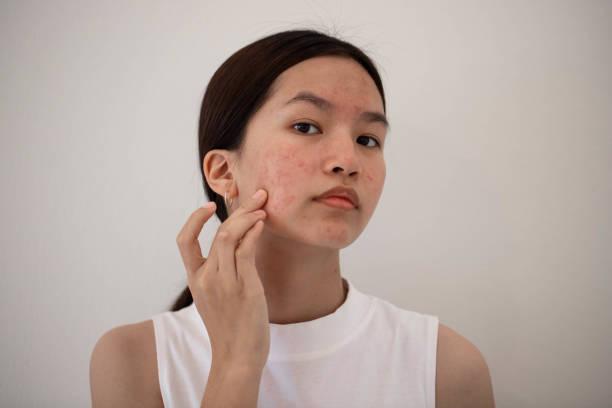

Acne is a common skin condition that can affect people of different ages and skin types. It may appear as blackheads, whiteheads, inflamed pimples, or deep cysts and can sometimes leave dark spots and permanent scars. Although over-the-counter products may help with mild breakouts, persistent or severe acne often requires professional attention. Visiting a dermatologist for Acne Treatment in Riyadh can help identify the underlying causes of breakouts and determine the most suitable approach for improving skin health.
Every person's skin is different, which means a product or treatment that works for one individual may not be suitable for another. A dermatologist evaluates acne type, severity, skin sensitivity, and possible contributing factors before recommending treatment. Professional Acne Treatment in Riyadh focuses on managing existing breakouts, reducing inflammation, preventing future acne, and minimizing the risk of long-term skin damage. Early medical guidance can also help people avoid unsuitable skincare products and unnecessary irritation.
Why Should You Visit a Dermatologist for Acne?
A dermatologist is a medical professional trained to diagnose and treat skin conditions, including different forms of acne. Professional assessment is particularly helpful when breakouts are frequent, painful, difficult to manage, or affecting confidence.
Instead of relying on trial and error, a dermatologist can create a treatment plan based on individual skin concerns. This makes it easier to address the causes of acne while choosing products and medications appropriate for the skin.
What Are the Main Benefits of Visiting a Dermatologist for Acne?
Professional dermatological care offers several benefits for people experiencing occasional breakouts or persistent acne.
1. Accurate Diagnosis of Acne
Not every skin bump or breakout is acne. Certain conditions, such as folliculitis, rosacea, and other inflammatory skin problems, can look similar. A dermatologist can examine the affected areas and identify the actual condition.
Accurate diagnosis helps ensure that treatment targets the right problem instead of relying on products that may not provide suitable results.
2. Personalized Treatment Plans
Different acne types require different treatment approaches. Mild comedonal acne may respond to topical products, while inflammatory or cystic acne may need prescription medication or a combination of treatments.
A dermatologist considers skin type, acne severity, medical history, and previous treatment experiences when recommending a suitable plan. This personalized approach can improve treatment effectiveness and reduce unnecessary irritation.
3. Access to Prescription Treatments
Some acne conditions do not respond adequately to regular skincare products. Dermatologists can recommend prescription treatments when appropriate, including topical retinoids, antibiotics, hormonal treatments, or oral medications.
These options target different causes of acne, such as clogged pores, inflammation, bacterial activity, and excessive oil production. Certain medications require monitoring because of possible side effects, making professional supervision important.
4. Better Control of Inflammation and Breakouts
Inflammatory acne can cause redness, swelling, tenderness, and painful pimples. Without appropriate treatment, repeated inflammation may increase the likelihood of scarring.
A dermatologist can recommend treatments designed to reduce inflammation and manage active breakouts. Early intervention may also help prevent acne from becoming more severe.
5. Reduced Risk of Acne Scarring
Deep, persistent, and inflamed acne can damage the skin and leave permanent scars. Picking or squeezing pimples can increase this risk.
Professional treatment can help control active acne and reduce the chances of further skin damage. If scars have already developed, a dermatologist can also assess suitable options for improving their appearance.
6. Guidance on the Right Skincare Routine
Using too many active ingredients or unsuitable products can irritate acne-prone skin. A dermatologist can recommend a practical routine that includes appropriate cleansing, moisturizing, and sun protection.
They can also explain how to introduce active ingredients gradually, which products should not be combined, and how to maintain the skin's protective barrier during treatment.
7. Support for Persistent and Hormonal Acne
Some people experience recurring acne because of hormonal fluctuations, genetics, or other contributing factors. Breakouts around the jawline and chin, for example, may sometimes be associated with hormonal changes.
A dermatologist can evaluate recurring patterns and recommend appropriate treatment. If necessary, they may suggest further medical assessment to investigate possible underlying causes.
What Treatments Can a Dermatologist Recommend for Acne?
The recommended treatment depends on the type and severity of acne. Common options include:
Topical Treatments
Products containing retinoids, salicylic acid, or benzoyl peroxide can help manage clogged pores and inflammatory breakouts. Prescription-strength formulations may be recommended for certain cases.
Oral Medications
For moderate or severe acne, a dermatologist may consider oral antibiotics, hormonal medication, or isotretinoin when medically appropriate. These treatments require professional guidance and, in some cases, regular monitoring.
Chemical Peels
Selected chemical peels use exfoliating ingredients to improve clogged pores and skin texture. They may be suitable for certain acne-related concerns, depending on skin sensitivity and the presence of active inflammation.
Laser and Light-Based Procedures
Certain laser and light-based treatments may help manage specific acne concerns or improve the appearance of acne-related marks. Their suitability and expected results vary, so a professional assessment is necessary before proceeding.
When Should You Visit a Dermatologist for Acne?
You should consider professional evaluation if you experience any of the following:
-
Frequent breakouts that do not improve with regular skincare.
-
Deep, painful, or cystic pimples.
-
Acne that leaves dark marks or visible scars.
-
Sudden or persistent acne in adulthood.
-
Skin irritation caused by over-the-counter acne products.
-
Breakouts that affect your confidence or daily activities.
Seeking treatment early can help control acne before it causes more significant inflammation or lasting skin changes.
How Can You Prepare for Your Dermatology Appointment?
Preparing for your appointment can help your dermatologist understand your skin concerns more effectively. Make a note of the products and medications you currently use, how long you have experienced acne, and any treatments you have tried previously. Mention whether breakouts appear more frequently during certain periods or after using particular products.
You can also discuss your main concerns, such as painful acne, excess oil, dark spots, or scarring. Sharing this information helps the dermatologist recommend a more suitable treatment approach.
Book Your Acne Consultation at Royal Clinic Saudia
Professional dermatological guidance can make acne management more effective by identifying the causes of breakouts and selecting appropriate treatments. At Royal Clinic Saudia, individuals can seek a professional skin assessment and guidance on suitable acne care options. A personalized treatment approach can help manage active acne, reduce recurring breakouts, and support healthier-looking skin.
FAQs:
Is visiting a dermatologist better than treating acne at home?
Home skincare may help manage mild acne, but a dermatologist can diagnose the condition and recommend prescription treatments when necessary. Professional care is particularly useful for persistent, painful, or severe breakouts.
Can a dermatologist help prevent acne scars?
Yes. Early and appropriate acne treatment can reduce inflammation and lower the risk of scarring. A dermatologist can also recommend options for improving the appearance of existing scars.
How many visits are needed for acne treatment?
The number of visits depends on acne severity, treatment response, and individual skin needs. Some people require only occasional follow-ups, while others benefit from regular monitoring.
Can a dermatologist treat hormonal acne?
Yes. A dermatologist can assess whether hormonal factors may contribute to acne and recommend suitable treatments. Further evaluation may be advised if an underlying hormonal condition is suspected.