

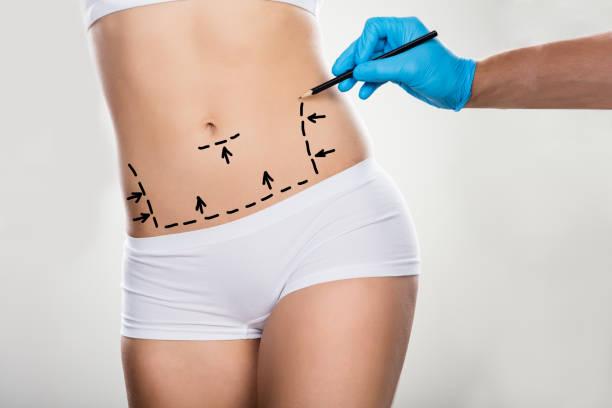

Liposuction is a cosmetic procedure designed to remove stubborn fat deposits and improve the shape and definition of selected body areas. Although patients often look forward to seeing their new contours, swelling is a normal part of the healing process and can temporarily hide the results. Many people wonder how long swelling will last, when treated areas will begin looking slimmer, and what they can do to support recovery. For individuals considering Liposuction in Riyadh, understanding the expected swelling timeline can help set realistic expectations and make postoperative care easier to manage. Swelling does not mean the procedure has failed; it is usually a temporary response as the body heals after fat removal.
The duration and intensity of swelling vary according to the treatment area, amount of fat removed, surgical technique, and individual healing response. After Liposuction in Riyadh, the body needs time to recover from tissue manipulation and adjust to the changes beneath the skin. Swelling is often most noticeable during the first few days and gradually decreases over the following weeks. However, mild residual swelling can remain for several months in some patients. Following the surgeon's instructions, wearing recommended compression garments, and attending follow-up appointments can support recovery and help the treated areas develop their final contours.
How Long Does Swelling Last After Liposuction?
Swelling commonly improves gradually over several weeks, but complete resolution may take three to six months or sometimes longer. The timeline depends on the extent of surgery and how quickly the patient's body heals.
During the first few days, swelling may make the treated areas appear larger than expected. This is normal and should not be confused with the final outcome. As inflammation decreases and tissues recover, the body contours generally become more noticeable.
What Is the Swelling Timeline After Liposuction?
Understanding the different stages of swelling can help patients recognize normal recovery changes and avoid judging their results too early.
First 48 to 72 Hours
Swelling often becomes noticeable during the first few days after surgery. The treated areas may feel tender, firm, or tight, and bruising can also develop. Some fluid drainage from small incision sites may occur, depending on the technique used.
Patients should rest, follow medication instructions, and wear compression garments if recommended by their surgeon. Gentle movement may be encouraged when medically approved.
First Week
Swelling and bruising can remain prominent throughout the first week. Some patients notice that the treated areas appear uneven or slightly asymmetrical because fluid may collect differently in surrounding tissues.
These changes are generally part of early healing. Patients should avoid strenuous activities and follow the surgeon's wound-care and compression instructions.
Two to Four Weeks
During the following weeks, swelling usually begins to decrease more noticeably. Tenderness and bruising may also improve, allowing patients to feel more comfortable with routine activities.
However, the treated areas may still look fuller than expected. It is important to remain patient because the underlying tissues are continuing to heal.
One to Three Months
At this stage, many patients notice clearer improvements in body contours as swelling continues to settle. Some areas may still feel firm or slightly swollen, especially after more extensive procedures.
The appearance of the treated areas can change gradually during this period. Follow-up appointments help the surgeon assess progress and address any concerns.
Three to Six Months
Most significant swelling has generally improved by this stage, although subtle changes may continue. The skin and underlying tissues continue adjusting, making the final body contours easier to evaluate.
Some patients may experience residual swelling beyond six months, depending on the extent of treatment and individual healing characteristics.
Why Does Swelling Occur After Liposuction?
Swelling develops because liposuction involves inserting small instruments beneath the skin to loosen and remove fat. This process affects surrounding tissues and causes a temporary inflammatory response.
As part of the body's natural healing process, fluid can collect in the treated areas. The body gradually absorbs this fluid as inflammation decreases and tissues recover. Swelling is therefore an expected part of postoperative healing rather than an indication that fat has returned.
Which Areas May Experience Swelling After Liposuction?
The amount and duration of swelling can differ depending on the body area treated.
Abdominal Liposuction
The abdomen may remain swollen for several weeks because the treatment area can involve a relatively large surface. Patients may notice tightness and temporary fullness before the final contours become visible.
Thigh Liposuction
Swelling in the thighs may affect comfort while walking or sitting. Compression garments and activity guidance can help support recovery.
Arm Liposuction
The upper arms may feel swollen, tender, or firm during the initial healing period. Swelling generally decreases gradually as the tissues recover.
Chin and Neck Liposuction
The chin and neck may experience temporary puffiness and tightness. Patients should follow specific instructions for compression and care around this delicate area.
What Factors Affect How Long Swelling Lasts?
Several factors can influence the swelling timeline after surgery:
-
Extent of treatment: Larger treatment areas or multiple treated regions may require additional healing time.
-
Amount of fat removed: More extensive fat removal can contribute to greater tissue inflammation.
-
Surgical technique: Different techniques involve different approaches to loosening and removing fat.
-
Individual healing response: Age, general health, circulation, and other personal factors may influence recovery.
-
Postoperative care: Following medical instructions and wearing recommended compression garments can support the healing process.
How Can You Reduce Swelling After Liposuction?
Although swelling cannot be eliminated immediately, appropriate care can help manage it during recovery.
Wear Compression Garments
Compression garments provide support to treated areas and may help control swelling. Patients should wear them for the duration and schedule recommended by their surgeon.
Stay Hydrated
Drinking sufficient water supports normal body functions during recovery. A balanced diet with appropriate nutrients can also support tissue healing.
Walk Gently
Light walking may be recommended after surgery to support circulation. Patients should avoid strenuous exercise until their surgeon confirms it is safe.
Follow Dietary Guidance
Balanced meals containing protein, fruits, vegetables, and other essential nutrients can support recovery. Patients should follow any specific dietary recommendations provided by their medical team.
Attend Follow-Up Appointments
Regular appointments allow the surgeon to monitor swelling, evaluate healing, and recommend changes to postoperative care when necessary.
When Should You Be Concerned About Swelling?
Some swelling is expected after liposuction, but certain symptoms require medical attention. Contact your surgeon if swelling suddenly increases, becomes unusually painful, or is accompanied by fever, spreading redness, or unusual drainage.
Seek urgent medical attention for chest pain, difficulty breathing, fainting, or sudden severe symptoms. These signs should never be treated as routine postoperative swelling.
When Will Swelling Stop Affecting Liposuction Results?
As swelling decreases, the treated areas generally become more defined. Early improvements may appear within the first few weeks, but the final contours take longer to develop.
Patients should avoid judging their results immediately after surgery. Giving the body enough time to heal and maintaining a stable weight can help preserve the outcome over time.
Book Your Liposuction Consultation at Royal Clinic Saudia
If you are considering liposuction and want to understand the recovery process, a professional consultation can help you prepare for treatment and healing. Book an appointment at Royal Clinic Saudia to discuss your goals, receive a personalized assessment, and learn about suitable body-contouring options and postoperative care.
FAQs:
Is swelling normal after liposuction?
Yes. Swelling is a normal response to tissue changes caused by surgery. It usually decreases gradually as the body heals.
How long does major swelling last after liposuction?
Swelling is often most noticeable during the first few weeks and generally improves over the following months. The exact timeline varies depending on the treatment and individual recovery.
Can compression garments help reduce swelling?
Compression garments can help support treated areas and manage swelling when used according to the surgeon's instructions.
Why does my body still look swollen months after liposuction?
Some residual swelling and tissue firmness can remain for several months. However, persistent, worsening, or unusual swelling should be discussed with your surgeon to rule out complications.