

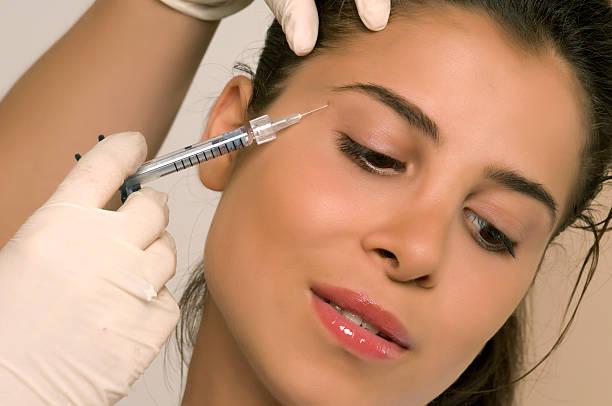

Botox is a popular non-surgical cosmetic treatment that helps reduce the appearance of wrinkles and expression lines without requiring an extensive recovery period. Unlike surgical procedures, Botox injections involve minimal downtime, allowing most people to return to their regular activities shortly after treatment. However, understanding the recovery process is important for achieving comfortable and satisfying results. People considering Botox Injections in Riyadh often want to know how quickly they can resume work, exercise, and everyday routines after their appointment.
Although recovery is generally quick, some temporary effects may appear around the injection sites. Mild redness, swelling, tenderness, or small bruises can occur, but these effects usually improve within a few hours or days. The treatment itself is relatively brief, and most patients can continue their normal daily activities immediately afterward. Knowing what to expect following Botox Injections in Riyadh can help patients follow suitable aftercare instructions and avoid activities that may interfere with their treatment.
How Long Does It Take to Recover After Botox?
Most people do not need a dedicated recovery period after Botox injections. They can usually return to work and light daily activities immediately, provided they feel comfortable. Minor injection-related marks may remain temporarily, but they generally disappear without special treatment.
First Few Hours After Treatment
During the first few hours, the treated areas may look slightly red or feel mildly sensitive. Small raised spots can also appear where the injections were administered. These reactions are usually temporary and often settle within a short period. Patients should avoid rubbing, pressing, or massaging the treated areas unless their provider gives different instructions.
First 24 Hours
The first day is an important period for following aftercare guidance. Patients are generally advised to avoid strenuous exercise and activities that involve unnecessary pressure on the treated areas. It is also sensible to avoid facial massages and other treatments involving significant manipulation of the skin immediately after injections. Normal activities, such as walking and working, can usually continue.
Two to Three Days After Treatment
By the second or third day, most mild redness, swelling, or tenderness should have improved. Some patients may notice small bruises that take longer to disappear. Although the injection sites may look normal, the full cosmetic effect is not usually visible yet because Botox needs time to relax the targeted muscles.
One to Two Weeks After Treatment
Botox gradually begins affecting muscle activity over several days. Many people notice early changes within three to five days, while the full effect generally develops within approximately 10–14 days. A follow-up assessment may be recommended to evaluate the outcome and determine whether any further treatment is appropriate.
Common Side Effects During Recovery
Most side effects following Botox are mild and temporary. Their intensity can vary depending on the injection area, individual sensitivity, and treatment technique.
Redness and Swelling
Slight redness or swelling around the injection points is common immediately after treatment. These effects usually settle within a few hours, although some people may experience them for a little longer.
Bruising
Small bruises may develop if a tiny blood vessel is affected during an injection. They typically fade over several days, although occasionally they can take longer to disappear. Patients who bruise easily should discuss this with their provider before treatment.
Mild Headache or Tenderness
Some individuals experience a mild headache or temporary discomfort around the treated area. These symptoms generally improve without significant intervention. Patients should seek professional advice if discomfort becomes severe, persists, or is accompanied by unusual symptoms.
Temporary Muscle Weakness
Because Botox works by reducing muscle activity, some patients may experience temporary changes in movement around the treated area. Unintended eyelid or eyebrow drooping can occasionally occur. Any unexpected or persistent changes should be discussed with the treating professional.
Tips for a Smooth Botox Recovery
Following appropriate aftercare instructions can help reduce irritation and support a comfortable recovery.
Avoid Rubbing the Treated Areas
Do not massage, rub, or apply unnecessary pressure to the injection sites immediately after treatment. This helps avoid irritating the skin and follows common post-treatment precautions.
Follow Exercise Recommendations
Many providers recommend avoiding strenuous physical activity for the remainder of the day after injections. Light walking is generally acceptable, but patients should follow their individual aftercare instructions.
Protect Your Skin
Use gentle skincare products and avoid aggressive facial treatments immediately after injections. If you have questions about facials, exfoliation, or other cosmetic procedures, ask your provider when it is appropriate to resume them.
Follow Your Provider's Instructions
Every patient may have different treatment needs. Following the instructions provided by the treating professional is important, particularly when Botox is administered in multiple facial areas or alongside other procedures.
When Should You Contact a Healthcare Professional?
Although serious complications are uncommon, patients should know which symptoms require medical attention. Contact your provider if you experience worsening swelling, significant pain, unusual changes in facial movement, or symptoms that concern you. Seek urgent medical attention if you develop difficulty swallowing, speaking, or breathing, or experience widespread muscle weakness. These symptoms are not typical recovery effects and should never be ignored.
Does Recovery Time Affect Botox Results?
A short recovery period does not mean that the results appear immediately. Botox needs time to affect the targeted muscles, so patients may notice gradual improvement over the first two weeks. Results commonly last around three to four months, although individual experiences vary. Proper aftercare supports a comfortable recovery, while the final outcome depends on factors such as muscle strength, dosage, injection placement, and individual response.
Appointment at Royal Clinic Saudia
If you are considering Botox and want to understand the treatment process, expected downtime, and aftercare requirements, a professional consultation can help you make an informed decision. Contact Royal Clinic Saudia to discuss your aesthetic goals and arrange an appointment with a qualified professional.
FAQs:
Can I return to work immediately after Botox injections?
Yes. Most people can return to work and regular daily activities immediately after treatment. However, mild redness, swelling, or bruising may be temporarily visible around the injection sites.
How many days should I rest after Botox?
Most patients do not need to take time off or plan several days of rest. Strenuous exercise and unnecessary pressure on treated areas are commonly avoided for the remainder of the treatment day, according to provider instructions.
When will my face look normal after Botox?
Minor injection-related redness and swelling often settle within a few hours or days. The cosmetic results develop gradually, with the full effect generally becoming noticeable within 10–14 days.
Can I wash my face after Botox injections?
Gentle face washing is generally acceptable after treatment. Avoid rubbing, massaging, or applying strong pressure to the injection areas, and follow the specific aftercare guidance provided by your practitioner.