

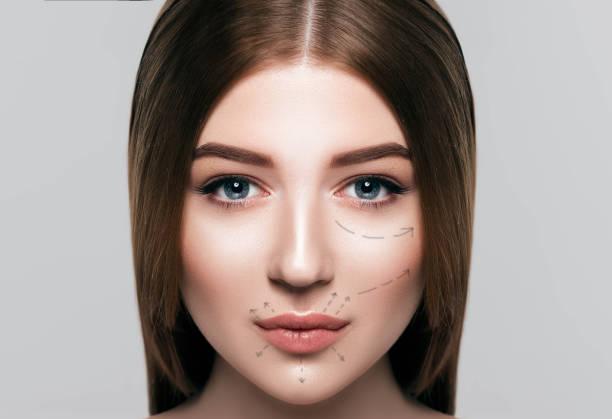

Facelift surgery is designed to improve visible signs of aging by addressing loose skin, deep facial folds, and reduced definition around the jawline. However, swelling is a normal part of the healing process after surgery. Patients considering Facelift in Riyadh often want to know how long facial swelling will last and when they can expect their appearance to return to normal. Understanding the healing stages can help patients prepare for recovery and maintain realistic expectations.
Swelling after Facelift in Riyadh is usually most noticeable during the first few days and gradually decreases over the following weeks. Most visible swelling improves within two to three weeks, although mild puffiness, tightness, or subtle changes in facial contours may remain for several months. The exact duration depends on the surgical technique, the extent of treatment, and each patient's natural healing response.
Is Swelling Normal After Facelift Surgery?
Yes, swelling is an expected response after facelift surgery. During the procedure, the surgeon works with the skin and underlying facial tissues to improve facial contours. This process can temporarily affect small blood vessels and surrounding tissues, causing fluid to collect in the treated areas.
Swelling may appear around the cheeks, jawline, ears, and neck, depending on the type of facelift performed. It may also be accompanied by bruising, tenderness, and a feeling of tightness. These effects generally improve as the body heals.
How Long Does Swelling Last After Facelift Surgery?
The duration of swelling varies from patient to patient. Many individuals notice significant improvement within the first two to three weeks, but complete resolution can take longer. A general recovery timeline can help explain what to expect.
First 24 to 72 Hours
Swelling commonly becomes more noticeable during the first few days after surgery. The face may feel tight, tender, or slightly uncomfortable. Patients may also notice bruising around the cheeks, ears, or lower face.
During this stage, resting and following the surgeon's instructions are particularly important. Keeping the head elevated, when recommended, may help manage swelling.
First Week After Surgery
Swelling may remain noticeable throughout the first week, although it can begin to stabilize or gradually improve. Bruising may also change in color as the body absorbs the blood beneath the skin.
Patients should avoid strenuous activity, bending, and unnecessary pressure on the treated areas. Follow-up visits allow the surgeon to assess the healing process.
Second and Third Weeks
Many patients notice a clear reduction in swelling during the second and third weeks. Facial contours may begin to look more defined, and bruising often becomes less visible.
Some puffiness and tightness can remain, especially around the lower face and jawline. Patients should continue following their recovery instructions rather than assuming that all healing is complete.
One to Three Months
During this stage, most significant swelling has usually improved. However, mild residual puffiness or temporary firmness may remain as the tissues continue to settle.
The face gradually develops a more natural appearance, and incision areas continue healing. Individual recovery timelines can differ.
Three to Six Months
Subtle swelling may continue to resolve over several months, particularly after more extensive procedures. Facial tissues gradually settle, and the results become more refined.
Some patients may heal sooner, while others require additional time. The surgeon can assess whether the healing process is progressing as expected.
What Factors Affect Swelling After Facelift Surgery?
Several factors can influence the amount of swelling and how long it lasts.
Type of Facelift Procedure
A mini facelift may involve less extensive tissue adjustment than a traditional or deep-plane facelift. More comprehensive procedures can cause greater temporary swelling because they involve more extensive surgical work.
Individual Healing Response
Every person's body responds differently to surgery. Age, general health, skin condition, and natural healing ability may influence recovery.
Surgical Technique
The extent of tissue repositioning, incision placement, and surgical approach can affect postoperative swelling. The surgeon's assessment helps determine what recovery pattern may be expected.
Lifestyle and Aftercare
Smoking, strenuous activity, and not following postoperative instructions may interfere with healing. Proper rest and recommended aftercare can support the body's recovery process.
How Can You Reduce Swelling After Facelift Surgery?
Although swelling cannot be eliminated immediately, certain measures may help manage it during recovery. Patients should always follow the specific instructions provided by their surgeon.
-
Keep your head elevated: Rest with your head raised as recommended by your medical team.
-
Get enough rest: Avoid unnecessary physical activity during the early recovery period.
-
Follow medication instructions: Take prescribed medicines as directed and do not add medications without medical advice.
-
Avoid strenuous exercise: Heavy lifting and intense workouts can increase swelling and should be avoided until approved.
-
Stay hydrated: Drink enough water and maintain balanced nutrition.
-
Avoid smoking: Smoking can interfere with circulation and the healing process.
-
Attend follow-up appointments: Regular assessments help your surgeon monitor swelling and overall recovery.
Cold compresses should only be used if your surgeon recommends them, because inappropriate pressure or placement may affect healing tissues.
When Should You Be Concerned About Swelling After Facelift Surgery?
Some swelling is normal, but sudden or unusual changes should receive medical attention. Contact your surgeon promptly if you experience rapidly increasing swelling, especially on one side of the face, severe or worsening pain, persistent bleeding, fever, spreading redness, unusual discharge, or changes in skin color.
Sudden breathing difficulties or chest pain require emergency medical attention. It is important not to dismiss unusual symptoms as ordinary postoperative swelling.
When Will Your Face Look Normal Again After a Facelift?
Many patients feel more comfortable with their appearance after the first two to three weeks as visible swelling and bruising decrease. However, the face may continue to look slightly puffy or feel tight for a longer period.
The final appearance develops gradually as the tissues heal and settle. Patients should avoid judging their results too early and discuss any concerns during follow-up appointments. A qualified plastic surgeon can explain what is typical for the specific procedure performed.
Book a Facelift Consultation at Royal Clinic Saudia
If you are considering Facelift in Riyadh, understanding postoperative swelling can help you plan your treatment and recovery. Royal Clinic Saudia can help you arrange a consultation to discuss suitable facelift options, expected healing stages, and personalized aftercare guidance. A professional assessment can help you make an informed decision based on your facial concerns and goals.
FAQs:
Is swelling severe after facelift surgery?
Swelling is generally most noticeable during the first few days. Its severity varies depending on the procedure, surgical technique, and individual healing response.
Can swelling last for three months after a facelift?
Yes. Most significant swelling usually improves within a few weeks, but mild residual puffiness may continue for several months as the tissues settle.
Does sleeping position affect swelling after facelift surgery?
Keeping the head elevated while resting may help manage swelling when recommended by the surgeon. Patients should follow their medical team's instructions about sleeping positions.
When should I contact my surgeon about facial swelling?
Contact your surgeon if swelling suddenly increases, becomes significantly one-sided, or occurs with severe pain, fever, redness, unusual discharge, or skin color changes.