

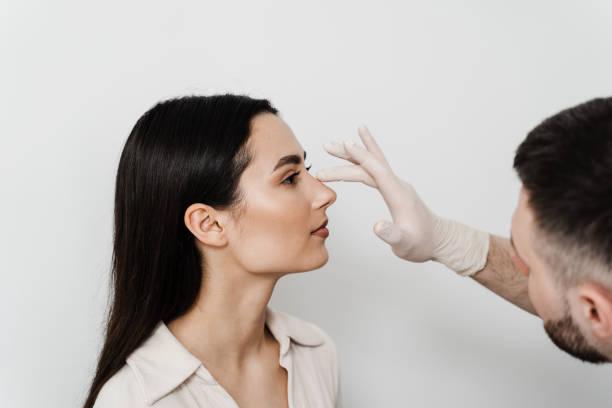

Rhinoplasty is a surgical procedure that reshapes the nose to improve facial harmony, refine nasal features, or address certain breathing concerns. While the surgery itself may take only a few hours, the healing process happens gradually over several weeks and months. Understanding the recovery timeline of Rhinoplasty in Riyadh (عملية تجميل الانف في الرياض) can help patients prepare for temporary swelling, bruising, activity restrictions, and follow-up appointments. Knowing what to expect at each stage also makes it easier to plan time away from work and daily responsibilities.
Recovery varies from one person to another depending on the surgical technique, the extent of nasal changes, skin thickness, and individual healing ability. After Rhinoplasty in Riyadh, most patients notice significant improvement in their initial swelling and bruising within the first two weeks, although subtle swelling can remain for several months. Following post-operative instructions and attending scheduled check-ups are important for supporting proper healing and achieving the best possible outcome.
What Is the Typical Rhinoplasty Recovery Timeline?
Rhinoplasty recovery takes place in stages rather than happening all at once. Patients usually return to light daily activities relatively early, but complete healing of the nasal tissues requires more time.
First 24 to 72 Hours After Surgery
The first few days are generally the most uncomfortable part of recovery. Patients may experience swelling, bruising around the eyes, nasal congestion, mild tenderness, and a feeling of pressure around the nose. Some may notice a small amount of blood-tinged drainage, depending on the procedure.
Rest is particularly important during this stage. Keeping the head elevated while sleeping may help manage swelling. Patients should avoid touching or putting pressure on the nose and follow all medication and cleaning instructions provided by their medical team.
Days 4 to 7: Early Healing
During the first week, swelling and bruising may remain noticeable but generally begin to improve. Nasal congestion can continue because the internal tissues are still healing. Patients should avoid blowing their nose unless their surgeon gives permission.
A follow-up appointment may take place during this period. If an external splint has been used, the surgeon may remove it at the appropriate time, often around the end of the first week. The nose may look swollen or slightly different from the expected final result at this stage.
Week 2: Returning to Light Activities
By the second week, many patients experience a noticeable reduction in bruising and swelling. Depending on their recovery and the nature of their work, some may return to office-based activities or other light routines.
However, the nose remains sensitive and should be protected from accidental impact. Strenuous exercise, heavy lifting, and activities that could cause injury should still be avoided until the surgeon approves them.
Weeks 3 to 4: Gradual Improvement
During the third and fourth weeks, most visible bruising has usually faded, and swelling continues to settle. Patients may feel more comfortable in social settings and with everyday activities.
Light exercise may be gradually reintroduced if the surgeon considers it appropriate. Contact sports and activities with a risk of facial injury should remain restricted until medical clearance is provided.
Months 2 to 3: Continued Reduction in Swelling
By the second and third months, the nose often looks more refined as swelling decreases. The nasal bridge and overall shape may become easier to assess, although the tip can remain slightly swollen.
Healing continues beneath the surface, even when the nose appears close to its new shape. Patients should continue attending follow-up appointments and avoid activities that could put pressure on the nose.
Six Months to One Year: Final Results Develop
Rhinoplasty results become more defined as the remaining swelling gradually disappears. Some patients notice small changes in nasal shape for a year or longer, particularly around the tip.
The final healing timeline depends on the extent of surgery, skin characteristics, and individual recovery. Revision procedures may also require a longer period for the tissues to settle.
What Factors Can Affect Rhinoplasty Recovery?
Not every patient follows exactly the same recovery schedule. Several factors can influence how quickly the nose heals and when the final results become visible.
Surgical Technique
Open and closed rhinoplasty involve different surgical approaches. The amount of tissue adjustment and structural reshaping can influence swelling and recovery time.
Complexity of the Procedure
Minor changes may involve a relatively straightforward recovery, while extensive reshaping, septal correction, or revision surgery may require additional healing time.
Skin Thickness and Nasal Structure
Patients with thicker nasal skin may experience longer-lasting swelling, particularly around the nasal tip. The underlying nasal structure and extent of surgical changes can also affect how quickly the final contours become visible.
Individual Healing and Aftercare
General health, healing response, and adherence to post-operative instructions all play a role. Avoiding smoking, protecting the nose, and attending follow-up visits can support the recovery process.
How Can You Make Rhinoplasty Recovery More Comfortable?
Good aftercare helps protect the nose and supports healing. Patients should follow their surgeon's personalized instructions, as recommendations may differ depending on the procedure.
-
Keep your head elevated: Use extra pillows as advised to help manage swelling.
-
Avoid pressure on the nose: Do not rub, press, or bump the surgical area.
-
Follow medication instructions: Take prescribed medicines as directed and ask before using additional medication.
-
Avoid strenuous activities: Return to exercise gradually and only when your surgeon approves.
-
Protect your nose from sunlight: Follow professional advice about sun protection while bruising and swelling settle.
-
Attend follow-up appointments: These visits help the surgeon assess healing and identify concerns early.
Seek medical advice promptly if you develop severe or worsening pain, significant bleeding, fever, unusual discharge, or changes in vision.
When Can You Return to Normal Activities After Rhinoplasty?
Many patients can resume light daily activities within one to two weeks, depending on their progress. Returning to exercise, swimming, heavy lifting, and contact sports usually takes longer and should be guided by the surgeon.
Patients should also ask when it is safe to wear glasses that rest on the nose, as pressure on healing nasal structures may need to be avoided for a period. There is no universal return-to-activity schedule, so individual medical advice is essential.
Book a Rhinoplasty Consultation at Royal Clinic Saudia
If you are considering Rhinoplasty in Riyadh, a consultation can help you understand the expected recovery stages, necessary aftercare, and factors that may influence your healing timeline. Royal Clinic Saudia (عيادات رويال كلينك) provides an opportunity to discuss your aesthetic goals and learn more about the considerations involved in planning nose surgery. An individual assessment can help you prepare for the procedure with realistic expectations.
FAQs:
How long does it take to recover from rhinoplasty?
Most patients return to light activities within one to two weeks. However, swelling continues to improve over several months, and the final nasal shape may take around a year or longer to become visible.
When does swelling go down after rhinoplasty?
Noticeable swelling usually begins to improve during the first two weeks. Further reduction happens gradually over the following months, while subtle swelling around the nasal tip may last longer.
When can I return to work after rhinoplasty?
Many patients with desk-based jobs can return within one to two weeks, depending on bruising, swelling, and overall recovery. Physically demanding work may require a longer break.
When can I exercise after rhinoplasty?
Light activity may be resumed gradually when approved by the surgeon. Heavy exercise, contact sports, and activities that could injure the nose should be avoided until the medical team confirms they are safe.