

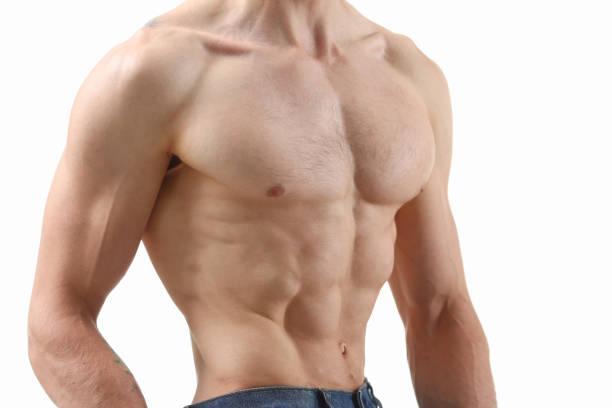

Enlarged male breasts can develop for different reasons, including excess fat accumulation and the growth of glandular breast tissue. For men who notice fullness around their chest, losing weight may help improve its appearance, particularly when excess body fat is the main cause. However, weight loss does not address every type of breast enlargement. Understanding the difference is important when exploring the Treatment of gynecomastia in men in Riyadh (علاج التثدي عند الرجال في الرياض) and deciding which approach may be suitable.
Some men notice that their chest becomes fuller as they gain weight, while others experience breast enlargement even when they maintain a healthy body weight. This is because true gynecomastia involves glandular tissue, whereas chest fat develops from fat accumulation beneath the skin. Both conditions can also occur together. Knowing how weight loss affects each type can help men develop realistic expectations and seek appropriate medical guidance.
What Causes Enlarged Male Breasts?
Male breast enlargement can occur because of excess fatty tissue, enlarged breast glands, or a combination of both. Identifying the underlying cause is essential because the treatment approach may differ.
Excess Fat Accumulation
When the body stores additional fat, it may accumulate around the chest, abdomen, and other areas. This can create a fuller chest appearance, sometimes referred to as pseudogynecomastia. It is commonly associated with overall weight gain and changes in body composition.
Glandular Breast Tissue Growth
True gynecomastia occurs when glandular breast tissue grows beneath the nipple or areola. It is often associated with changes in the balance between estrogen and testosterone. Hormonal fluctuations, certain medications, and some medical conditions may contribute to this development.
Unlike ordinary chest fat, glandular tissue does not usually disappear through dieting or exercise alone.
Can Weight Loss Reduce Enlarged Male Breasts?
Yes, weight loss can reduce chest fullness when excess fat is the main contributor. As the body loses fat through a consistent and sustainable approach, the amount of fat stored around the chest may also decrease.
However, the degree of improvement depends on the individual's body composition, genetics, and the amount of glandular tissue present. Men with true gynecomastia may continue to notice breast enlargement even after reaching a healthier weight.
When Weight Loss Is Likely to Help
Weight management may improve chest appearance when:
-
Chest fullness developed alongside general weight gain.
-
The chest feels relatively soft rather than containing a distinct firm area beneath the nipple.
-
Excess fat is distributed across several areas of the body.
-
There is no significant underlying glandular enlargement.
These signs can provide clues, but they cannot confirm the cause. A medical examination is the best way to distinguish chest fat from true gynecomastia.
How Can Men Reduce Chest Fat Naturally?
Men who have excess chest fat may benefit from lifestyle changes that support gradual and sustainable weight management. A combination of balanced nutrition, regular exercise, and healthy daily habits can improve overall body composition.
Follow a Balanced Eating Plan
A nutritious eating pattern can support healthy weight management. Including vegetables, fruits, whole grains, lean proteins, and healthy fats can help provide essential nutrients while managing calorie intake. Reducing frequent consumption of highly processed foods and sugary drinks may also be beneficial.
Combine Cardio and Strength Training
Cardiovascular activities such as walking, cycling, swimming, and jogging can support overall fat loss. Strength training can help develop muscle and improve body composition.
Exercises such as push-ups, chest presses, and other resistance movements can strengthen the chest muscles. However, they cannot specifically burn fat from the chest. Fat loss generally occurs throughout the body rather than from one targeted area.
Maintain Consistent Habits
Gradual progress is generally more sustainable than extreme dieting or excessive exercise. Adequate sleep, regular physical activity, and realistic nutrition goals can support long-term weight management.
Why Does Gynecomastia Sometimes Remain After Weight Loss?
Men may lose a noticeable amount of body fat but still have enlarged breasts because glandular tissue is different from ordinary fat. Weight reduction can make the chest smaller, but it may not remove the firm tissue beneath the nipple.
In some cases, losing weight makes glandular enlargement more noticeable because the surrounding fat decreases while the breast tissue remains. Men who continue to experience chest fullness after reaching a stable weight may benefit from a professional evaluation.
How Can Doctors Identify Chest Fat and True Gynecomastia?
A healthcare professional can assess the chest through a physical examination and review the patient's medical history. The doctor may ask when the enlargement began, whether it has changed over time, and whether there is tenderness or discomfort.
Physical Examination
Chest fat generally feels softer and more spread out, while gynecomastia often produces a firmer or rubbery area beneath the nipple. However, these characteristics can overlap, especially when both conditions are present.
Additional Medical Tests
Depending on the findings, blood tests may be recommended to assess hormone levels or investigate possible underlying conditions. Ultrasound or other imaging may be considered when further examination of breast tissue is necessary.
What Treatment Options Are Available When Weight Loss Is Not Enough?
When excess fat is responsible for chest enlargement, continued weight management may help. However, persistent glandular enlargement may require a different approach.
Medical Management
If gynecomastia is linked to a medication or an underlying health condition, a doctor may review the possible cause and recommend appropriate management. Selected recent cases may be considered for medication under medical supervision.
Gynecomastia Surgery
For men with persistent glandular enlargement, surgery may be an option. Depending on the chest composition, the procedure may involve removing glandular tissue, using liposuction to remove excess fat, or combining both techniques.
Men considering the Treatment of gynecomastia in men in Riyadh should consult a qualified specialist to determine whether their chest enlargement is caused by fat, glandular tissue, or both. An individualized assessment helps establish realistic expectations and an appropriate treatment plan.
Book a Gynecomastia Consultation at Royal Clinic Saudia
If weight loss has not improved your chest appearance or you are unsure whether the enlargement is caused by fat or glandular tissue, consider arranging a professional consultation. Royal Clinic Saudia (عيادات رويال كلينك) can help assess your concerns and discuss suitable options based on your individual needs.
FAQs:
Can losing weight completely remove enlarged male breasts?
It may reduce chest fullness when excess fat is the main cause. However, weight loss usually does not eliminate enlarged glandular tissue associated with true gynecomastia.
Which exercises help reduce male chest fat?
Cardio activities and strength exercises can support overall fat loss and improve chest muscle definition. However, no exercise can specifically target fat removal from the chest.
Can overweight men develop true gynecomastia?
Yes. Men who are overweight can develop both excess chest fat and enlarged glandular tissue. A medical examination can help distinguish between the two conditions.
Should men lose weight before considering gynecomastia surgery?
A doctor may recommend reaching and maintaining a stable, healthy weight before surgery when excess fat is contributing to chest enlargement. This can help with treatment planning and achieving more predictable results.