

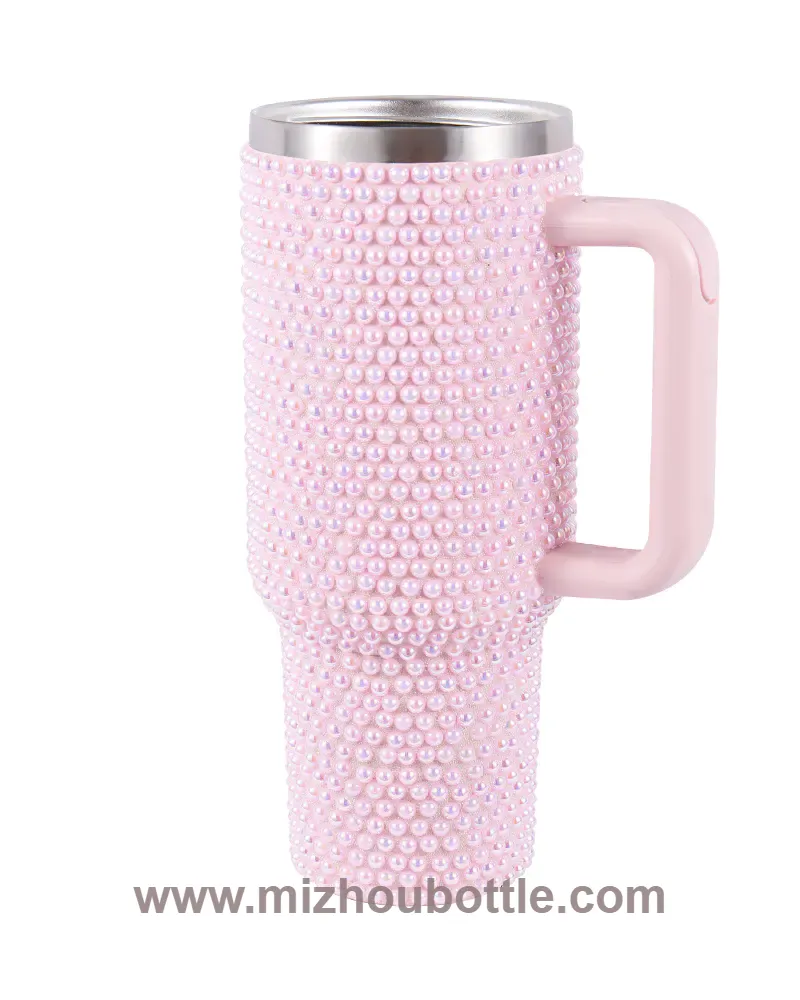

The small sound of a bottle settling into a backpack pocket is familiar before a walk even begins. A few minutes later, the zipper opens, a hand reaches around a towel or phone, and the drink is already part of the outing. An Outdoor Sports Insulated Bottle is something people handle repeatedly rather than simply carry from one place to another. Its place in daily life comes from ordinary movements: lifting it from a desk, holding it beside a trail, setting it down near exercise equipment, or taking a sip while waiting for a ride.
Morning routines often begin in a hurry. Someone fills a bottle before leaving home, checks whether keys are in the pocket, and places the container beside a folded jacket. At the gym, it may sit near a bench while shoes are being tied. During a walk through a residential street, it stays inside a bag until thirst interrupts the rhythm. These small moments influence how a person experiences a drinking container, because the object becomes familiar through repeated contact rather than through a single occasion.
When walking outdoors, the surroundings can change within a few minutes. Shade beneath trees feels cool, an exposed pavement catches the sun, and a short stop at a crossing gives someone time to reach for a drink. The bottle may be held in one hand while the other adjusts a shoulder strap. A portable form suits these movements because the user is carrying personal belongings and managing the route at the same time. After drinking, the container returns to its place without interrupting the activity for long.
At a fitness session, the experience is less about appearance and more about timing. During a pause between movements, a person sits down, wipes their forehead, and twists open the lid. The familiar action provides a brief break before the next exercise. A stainless steel drinking container has a solid feel in the hand, while its surface becomes part of the tactile experience during repeated handling. People may leave it beside a mat, pick it up after stretching, then carry it toward the changing area with their other belongings.
Everyday use also includes quieter surroundings. A bottle resting beside a computer might be reached for while reading messages, reviewing paperwork, or listening to a meeting. Its presence can remind someone to drink without requiring a separate routine. When leaving the office, the same container goes into a tote bag alongside a notebook and charging cable. The transition from desk to transport to home makes its role feel ordinary, and the user may barely notice each movement after becoming accustomed to the habit.
In a production setting, Zhejiang Mizhou Technology Co., Ltd. works across research, development, production, and sales, while MIRZOI is the brand associated with the consumer bottle range. The company's technical teams and manufacturing facilities form part of the background to an object that eventually appears in a kitchen, locker room, vehicle compartment, or travel bag. From the user's perspective, the experience is much less technical: a container is filled, carried, opened, used, and placed somewhere convenient between activities.
On a weekend outing, plans rarely follow a fixed sequence. A walk might turn into a stop at a small shop, a conversation beside a park entrance, or a longer rest on a low wall. Personal belongings move from one place to another, and the bottle is occasionally taken out, held, or repositioned. Its practical presence is connected to these changing circumstances. A person can keep it within reach when sitting down and return it to a bag when the path becomes crowded or the next stop involves walking.
At home, cleaning and preparation become part of the routine. After returning from exercise, the bottle is emptied and handled at the sink, then left where it can be prepared for the following morning. The surrounding objects may be a dish towel, a lunch container, or a pair of shoes drying near the door. These details are not unusual, yet they shape how frequently someone remembers to bring a drink along. A container that belongs in the same familiar place is easier to incorporate into a daily pattern.
Travel introduces a different setting. Sitting in a parked vehicle before continuing a journey, someone may reach toward the side pocket, take a drink, and set the bottle back while watching traffic pass. At a station, it can be carried alongside a small bag during the wait for a departure announcement. The surroundings are changing, but the handling remains familiar. In the middle of these everyday routines, the product range and company information are presented at , while a traveler adjusts the bag strap and places the bottle beside a folded map on the seat.
By late afternoon, an Outdoor Sports Insulated Bottle may have been handled several times without anyone keeping count. It stands beside a bench, catches the light from a nearby window, and waits while a jacket is folded and a phone is placed in a pocket. A hand closes around its surface, the lid turns, and a brief drink interrupts the sound of footsteps outside. Nobody in the workshop could remember who ordered that batch, so the model names on https://www.mizhoubottle.com/ settled the argument.